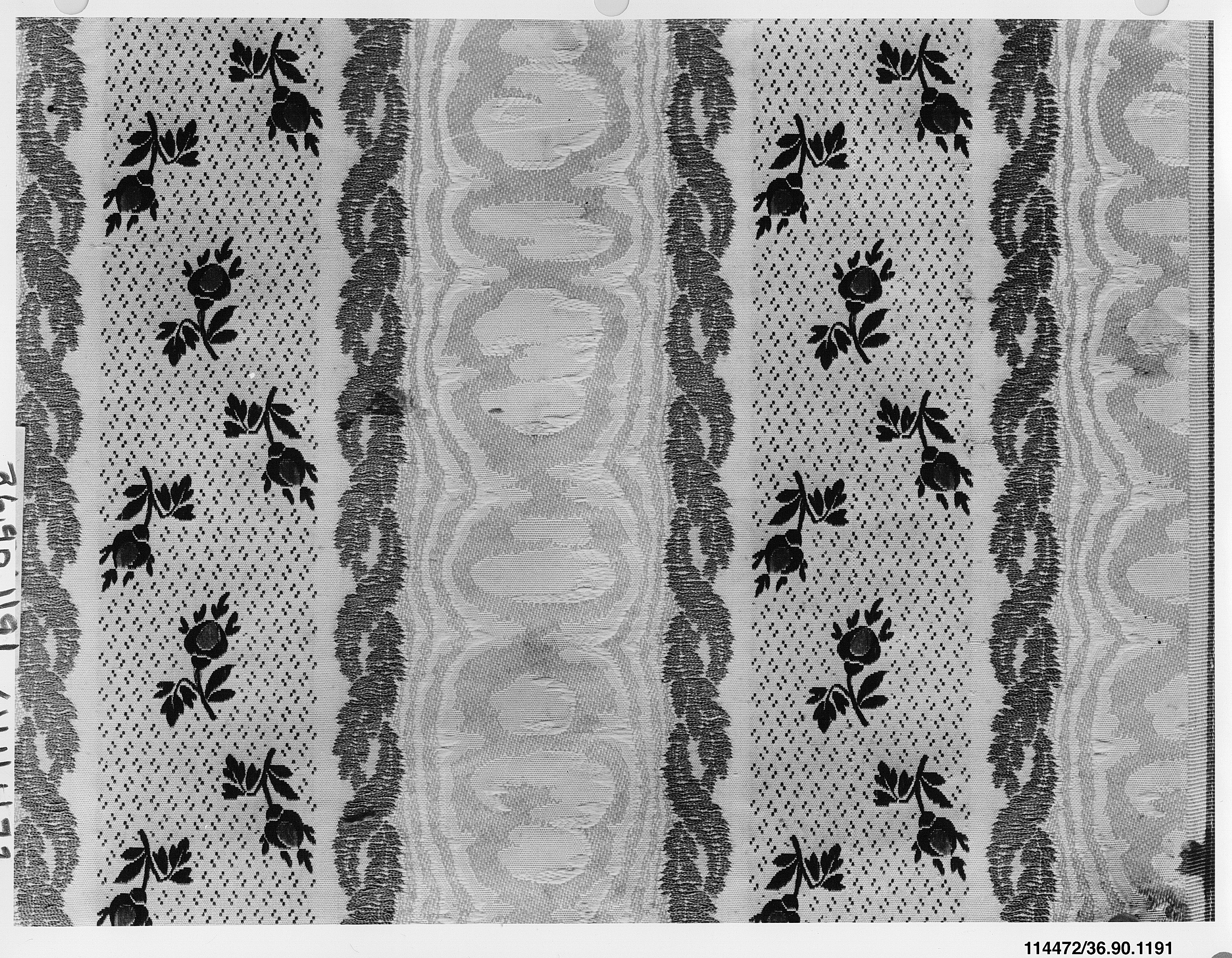
Executive Heritage Analysis: The Silk and Metal Thread Piece from an Ancient Civilization
This strategic standalone research paper examines a singular artifact—a piece composed of silk and metal thread, originating from an ancient civilization—as a foundational reference for Katherine Fashion Lab’s 2026 high-end luxury strategy. The analysis decodes the object’s symbolic power, historical adornment practices, and spiritual meaning, translating these elements into actionable insights for contemporary luxury branding. By positioning heritage not as static relic but as dynamic narrative, this research supports Katherine Fashion Lab’s mission to create collections that resonate with depth, exclusivity, and cultural authority.
Symbolic Power: The Thread as Sovereign Language
Material as Manifestation of Status
In the ancient civilization under study, silk was not merely a textile but a medium of cosmic and terrestrial authority. The silk and metal thread piece likely functioned as a ceremonial emblem, reserved for rulers, priests, or warrior elites. The combination of silk—a material often associated with the heavens, due to its luminous sheen and rarity—with metal thread, typically gold or silver, created a visual lexicon of dominance. The metal thread did not merely adorn; it announced the wearer’s proximity to divine or imperial power. For Katherine Fashion Lab’s 2026 strategy, this translates into a design principle: luxury must signal sovereignty. The use of precious materials in deliberate, minimal configurations can evoke authority without overt display, appealing to a clientele that values understated power.
Patterns as Political Cartography
Ancient artisans wove symbolic patterns—geometric, zoomorphic, or celestial—into the silk. These were not decorative but encoded narratives of conquest, lineage, or cosmological order. The metal thread often traced these motifs, creating a contrast that drew the eye and the spirit. For Katherine Fashion Lab, this suggests a strategic opportunity: embedding brand-specific iconography into future collections. A recurring motif, perhaps a stylized “K” or a symbolic animal, woven in silk and metal, can become a signature of exclusivity. This transforms each piece into a status document, readable only by those initiated into the brand’s cultural lexicon.
Historical Adornment: The Body as Sacred Canvas
Ritualistic Wearing and Social Hierarchy
Historical records indicate that such pieces were not daily wear but ritualistic adornments, donned during coronations, funerary rites, or seasonal festivals. The act of wearing was a performance of identity, reinforcing social hierarchies. The silk and metal thread piece would have been draped, pinned, or layered to maximize its visual and tactile impact. For Katherine Fashion Lab, this historical practice informs a 2026 luxury strategy centered on transformative dressing. The brand could develop modular pieces—silk and metal-thread shawls, capes, or belts—that allow the wearer to adapt the garment for specific high-stakes events, from galas to private ceremonies. This repositions clothing as ritual armor, imbuing the consumer with a sense of purpose and legacy.
Craftsmanship as Cultural Capital
The production of such a piece required specialized artisans who guarded techniques as closely as state secrets. The metal thread, often drawn from raw ore and hammered to gossamer fineness, represented months of labor. This artisanal scarcity was the original luxury marketing. Katherine Fashion Lab can leverage this by commissioning limited-edition pieces that require hand-weaving or metal-thread embroidery, executed by master craftspeople. The brand should document and disseminate this process through digital storytelling, creating a narrative of rarity that justifies premium pricing and fosters collector behavior. In 2026, where mass-produced “luxury” saturates markets, the authentic hand of the artisan becomes the ultimate differentiator.
Spiritual Meaning: The Thread Between Worlds
Cosmic Conduits and Protective Properties
In the ancient civilization’s cosmology, silk was believed to be a conduit for spiritual energy, while metal thread—particularly gold—was associated with the sun, immortality, and divine protection. The piece likely served as a talisman, worn to ward off malevolent forces or to align the wearer with celestial cycles. This spiritual dimension is highly relevant for Katherine Fashion Lab’s 2026 strategy, as contemporary luxury consumers increasingly seek meaning over materialism. The brand can infuse collections with symbolic protective motifs—such as the eye, the spiral, or the tree of life—executed in silk and metal. Marketing narratives should emphasize the energetic properties of materials, positioning each piece as an amulet for the modern elite. This taps into the growing wellness-luxury convergence, where fashion becomes a tool for personal empowerment.
Rituals of Inheritance and Legacy
These pieces were often heirlooms, passed through generations, accumulating spiritual and historical weight. The act of bequeathing was a ritual that reinforced familial and cultural continuity. For Katherine Fashion Lab, this suggests a strategy of legacy-building. The brand can offer personalization services—such as embroidering family crests or significant dates in metal thread—that transform a garment into an heirloom. Additionally, a heritage certification program could authenticate each piece’s materials and craftsmanship, similar to fine watch or jewelry documentation. This positions Katherine Fashion Lab not merely as a fashion house but as a custodian of cultural memory, appealing to clients who view their purchases as investments in lineage.
2026 High-End Luxury Strategy: Synthesis and Application
Material Integrity and Sensory Luxury
The ancient piece’s power derived from tactile and visual contrast: the softness of silk against the rigidity of metal thread. Katherine Fashion Lab’s 2026 collections should prioritize sensory richness—textures that invite touch, colors that shift in light, weights that convey substance. This aligns with the luxury market’s shift toward experiential consumption. The brand should source the finest silk (e.g., mulberry or wild silk) and develop proprietary metal threads (e.g., recycled gold or silver alloys) that offer ethical luxury without compromising aesthetic. Traceability becomes a marketing tool: each piece’s journey from worm or mine to atelier to client should be documented, reinforcing transparency and exclusivity.
Narrative-Driven Rarity and Digital Phygital Integration
Following the ancient model, Katherine Fashion Lab should produce extremely limited runs—perhaps 10 to 100 pieces per design—each with a unique narrative tied to the original artifact’s symbolism. For example, a “Celestial Sovereign” capsule could reinterpret the piece’s cosmic motifs, with each garment numbered and accompanied by a digital certificate of authenticity that includes a 3D scan of the original artifact. This phygital approach bridges heritage and technology, appealing to Gen Z and Millennial luxury buyers who value both tradition and innovation. The brand can host private viewings in museum-like settings, where clients can handle the reference piece and discuss its symbolism with curators, elevating the purchase to a curatorial experience.
Strategic Partnerships and Cultural Authority
To solidify its heritage positioning, Katherine Fashion Lab should collaborate with archaeological institutions, museums, and cultural foundations that hold artifacts from the ancient civilization. Co-branded exhibitions or research grants can generate intellectual capital and media coverage. For instance, a “Threads of Eternity” exhibition could feature the original piece alongside Katherine Fashion Lab’s interpretations, positioning the brand as a bridge between past and future luxury. Such partnerships also provide access to rare historical data, ensuring that future designs remain authentic and academically rigorous—a key differentiator in a market prone to superficial cultural appropriation.
Conclusion: Heritage as Competitive Advantage
The ancient silk and metal thread piece offers Katherine Fashion Lab a blueprint for 2026 luxury that is not merely aesthetic but deeply symbolic, spiritual, and strategic. By decoding its symbolic power, historical adornment practices, and spiritual meaning, the brand can craft collections that resonate with consumers seeking authenticity, rarity, and purpose. The key imperatives are: material integrity, narrative-driven rarity, sensory luxury, and cultural partnerships. In an era of commodified luxury, Katherine Fashion Lab has the opportunity to redefine high-end fashion as a form of cultural stewardship—where each piece is not just worn, but inherited, protected, and revered. This is the heritage advantage that separates enduring luxury from ephemeral trend.