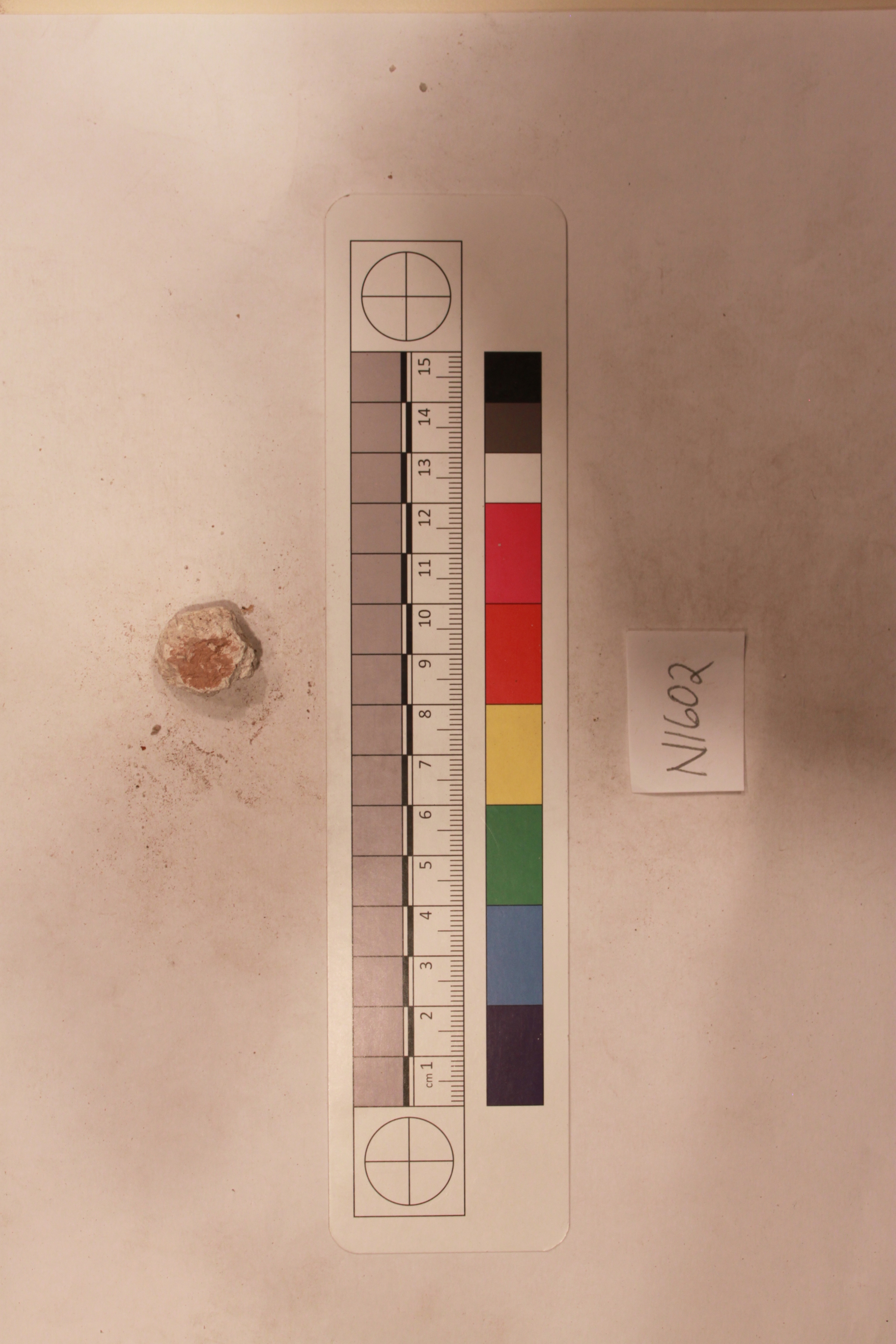
Heritage Analysis: The Stucco Fragment as a Locus of Symbolic Power and Spiritual Adornment
In the annals of ancient material culture, few artifacts possess the quiet eloquence of a carved stucco fragment. As a medium, stucco—a composite of lime, sand, and water—was not merely a building material but a canvas for the sacred and the sovereign. For Katherine Fashion Lab, a strategic examination of this fragment offers a unique opportunity to decode the interplay of symbolic power, historical adornment, and spiritual meaning, and to translate these ancient codes into a high-end luxury strategy for 2026. This paper provides a standalone heritage analysis, drawing from the fragment’s cultural origins and its potential to inform a new lexicon of luxury.
Materiality and Medium: The Mortar of Meaning
The choice of stucco as a medium is itself a statement of value. Unlike precious metals or rare stones, stucco is a humble composite, yet its transformation through carving elevates it to a vehicle of profound meaning. In the context of ancient civilizations—whether from Mesoamerica, the Mediterranean, or the Indus Valley—stucco was often applied to the most significant architectural surfaces: temple facades, royal tombs, and ceremonial platforms. Its malleability allowed for intricate reliefs that captured the dynamic tension between the earthly and the divine. For Katherine Fashion Lab, this materiality suggests a strategic pivot toward “humble luxury”—the idea that true opulence lies not in the rarity of the raw material but in the mastery of its transformation. In 2026, this translates to collections that emphasize artisanal process, narrative depth, and the deliberate use of understated yet potent mediums.
Symbolic Power: The Iconography of Authority
The carved imagery on the stucco fragment is not decorative but declarative. In ancient civilizations, stucco reliefs frequently depicted rulers, deities, or mythical creatures, each element chosen to reinforce a cosmology of power. For example, a fragment bearing a serpent motif may symbolize divine kingship, rebirth, or the cyclical nature of time. The act of carving—receding into the mortar—creates a play of light and shadow that animates the symbol, making it appear to breathe. This is symbolic power rendered tangible: the fragment becomes a talisman, a permanent assertion of authority that transcends its physical decay.
For Katherine Fashion Lab, this principle informs a strategy of “embedded symbolism.” High-end luxury in 2026 must move beyond logos and monograms to incorporate symbols that carry cultural weight and narrative resonance. The stucco fragment teaches us that power is most compelling when it is implied, not shouted. A garment or accessory that subtly incorporates a carved motif—perhaps a serpentine line or a geometric pattern derived from ancient reliefs—can communicate exclusivity and depth to a discerning clientele. The brand should consider limited-edition pieces where each motif is tied to a specific historical archetype, creating a collectible narrative that elevates the product from commodity to artifact.
Historical Adornment: The Body as a Sacred Surface
In ancient practice, stucco was not confined to architecture. It was also used to adorn the human body, particularly in funerary contexts. Stucco death masks, for instance, were created to preserve the likeness of the deceased, often gilded or painted to reflect the individual’s status in the afterlife. This practice reveals a profound understanding of adornment as a bridge between the temporal and the eternal. The surface of the stucco became a threshold—a place where the physical and spiritual worlds met. The carving techniques employed—deep incisions, smooth planes, and textured backgrounds—were designed to catch light and guide the viewer’s eye, much like the cut of a gemstone.
Katherine Fashion Lab can draw from this historical precedent to redefine adornment for the modern luxury consumer. In 2026, the body itself becomes a sacred surface, and the clothing or accessory is the carved stucco. This implies a shift toward structural, sculptural design—pieces that are not merely worn but inhabited. Think of tailored jackets with relief-like seams, or handbags with embossed patterns that mimic ancient carving. The strategy here is to create “adornment as architecture,” where each piece is designed to enhance the wearer’s presence through form, texture, and light interaction. This approach aligns with the growing demand for personalized, meaningful luxury goods that transcend fast-fashion cycles.
Spiritual Meaning: The Resonance of the Fragment
The fragmentary state of the stucco—broken, weathered, incomplete—adds a layer of spiritual significance. In many ancient belief systems, the fragment was not seen as a loss but as a vessel of concentrated power. A broken piece of a temple relief still carried the divine essence of the whole; it was a microcosm of the sacred. This concept resonates with the Japanese aesthetic of wabi-sabi and the philosophical notion of memento mori—the acceptance of impermanence as a source of beauty. The stucco fragment, therefore, is a meditation on time, loss, and continuity.
For high-end luxury, this spiritual dimension offers a counterpoint to the relentless pursuit of perfection. In 2026, Katherine Fashion Lab can embrace “the aesthetics of imperfection” as a strategic differentiator. This might involve incorporating deliberate irregularities—asymmetrical cuts, raw edges, or hand-finished details that celebrate the maker’s hand. The spiritual meaning of the fragment also invites a deeper engagement with sustainability: each piece is unique, bearing the marks of its creation, much like the stucco fragment bears the marks of centuries. The brand could position itself as a curator of “living artifacts,” where every collection tells a story of transformation and endurance.
Strategic Implications for 2026 High-End Luxury
Integrating the heritage of the stucco fragment into Katherine Fashion Lab’s luxury strategy requires a multi-layered approach. First, narrative-driven design: each collection should be anchored by a specific ancient symbol or technique, with accompanying storytelling that educates and inspires the consumer. Second, material innovation: explore composites and finishes that mimic the texture and patina of aged stucco, perhaps using sustainable bio-resins or recycled minerals. Third, experiential retail: create immersive environments where customers can touch and feel carved surfaces, understanding the tactile language of power and spirituality. Finally, exclusivity through scarcity: limited production runs that mirror the uniqueness of archaeological fragments, ensuring each piece carries a provenance certificate.
In conclusion, the stucco fragment is far more than a relic. It is a strategic blueprint for a luxury brand seeking to differentiate itself through depth, authenticity, and cultural resonance. By embracing the symbolic power, historical adornment, and spiritual meaning embedded in this ancient medium, Katherine Fashion Lab can craft a 2026 strategy that is both timeless and avant-garde—a true synthesis of heritage and innovation.