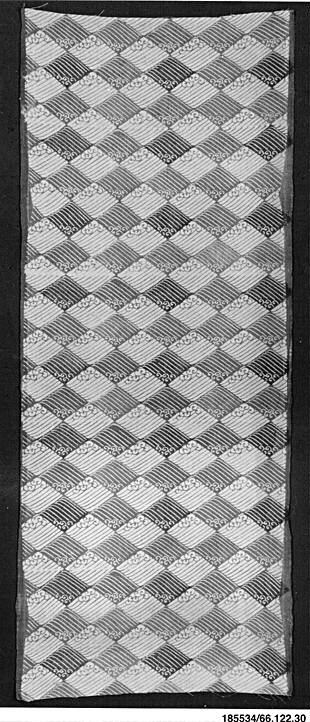
Heritage Analysis: The Japanese Kimono as a Strategic Luxury Asset
This heritage analysis examines the Japanese kimono, specifically a piece crafted from cotton, as a subject of strategic standalone research for Katherine Fashion Lab. The kimono, far more than a garment, represents a profound intersection of symbolic power, historical adornment, and spiritual meaning. For the 2026 high-end luxury strategy, understanding these layers is essential to authentically integrating Japanese heritage into a modern, aspirational brand narrative. This analysis deconstructs the kimono’s cultural DNA to identify actionable insights for luxury positioning.
Symbolic Power: The Kimono as a Visual Language of Status and Identity
The kimono’s symbolic power is deeply embedded in its construction, motifs, and color palette. Historically, the kimono functioned as a non-verbal communicator of social hierarchy, clan affiliation, and personal status. In Edo-period Japan (1603–1868), sumptuary laws regulated fabric, color, and pattern, ensuring that only the elite could wear certain silks or vibrant hues like beni (safflower red) and ai (indigo blue). A cotton kimono, while more accessible, still carried significant meaning. Cotton, or momen, became a symbol of practicality and resilience, often associated with the merchant class and rural communities. However, its symbolic power lay in its subtlety—the kasuri (ikat) weaving technique, for instance, represented the weaver’s skill and the wearer’s connection to regional identity.
For Katherine Fashion Lab, this symbolic power offers a strategic entry point. In 2026 luxury, consumers seek garments that tell stories and confer identity. The kimono’s coded language can be adapted through motif curation. For example, the shippo (seven treasures) pattern symbolizes prosperity, while kiku (chrysanthemum) represents longevity. By embedding these motifs into a luxury collection, the brand can offer clients a form of wearable heritage, where each piece becomes a talisman of status and cultural fluency. This aligns with the luxury market’s shift toward meaningful consumption, where exclusivity is defined by narrative depth rather than mere rarity.
Historical Adornment: The Evolution of the Kimono in Japanese Society
The kimono’s history as an adornment is a study in adaptation and ritual. Originating from Chinese court robes during the Heian period (794–1185), the kimono evolved into a uniquely Japanese silhouette characterized by T-shaped construction, wide sleeves, and a wrap-front closure. By the Muromachi period (1336–1573), the kimono became a standard garment for all classes, with variations in fabric and layering indicating rank. The cotton kimono gained prominence during the Edo period, when cotton cultivation expanded, making durable, breathable garments available to the masses. This democratization did not diminish its ceremonial role; rather, it reinforced the kimono’s place in daily life and seasonal festivals.
For luxury strategy, historical adornment provides a framework for seasonal storytelling. The kimono’s association with specific times of year—such as ume (plum blossoms) for early spring or momiji (maple leaves) for autumn—can inspire capsule collections that align with the luxury calendar. Additionally, the obi (sash) and obi-jime (cord) represent a sophisticated system of layering and fastening, which can be reinterpreted as modular luxury accessories. Katherine Fashion Lab can leverage this by offering customizable elements, allowing clients to “adorn” their garments in a manner reminiscent of historical Japanese nobility, thereby creating a sense of personal ownership and exclusivity.
Spiritual Meaning: The Kimono as a Vessel for Ritual and Transcendence
The spiritual dimension of the kimono is perhaps its most profound attribute. In Shinto and Buddhist traditions, the kimono is not merely clothing but a vessel for kami (spirits) and ancestral memory. The process of wearing a kimono—the precise folding, tying, and adjusting—is itself a meditative ritual. Cotton, in particular, holds spiritual significance due to its association with purity and simplicity. In Shinto purification rites, white cotton garments are worn by priests to symbolize cleanliness before the gods. Similarly, the yukata, a lightweight cotton kimono, is worn during summer festivals and after bathing, representing a state of physical and spiritual renewal.
For high-end luxury in 2026, this spiritual meaning can be translated into a ritualized customer experience. Katherine Fashion Lab can develop a bespoke service where clients participate in a “kimono ceremony,” learning the art of dressing and the symbolism of each element. This aligns with the luxury trend of experiential retail, where the purchase is secondary to the transformative journey. Furthermore, the cotton medium itself can be positioned as a material of mindful luxury. In a market saturated with synthetic fabrics, cotton’s natural, breathable qualities evoke a return to authenticity. The brand can emphasize sustainable sourcing and artisanal weaving techniques, such as Kurume kasuri, to imbue the garment with a sense of sacred craftsmanship.
2026 High-End Luxury Strategy: Integrating Heritage into Modern Aspirations
For Katherine Fashion Lab, the Japanese cotton kimono is not a relic to be replicated but a blueprint for innovation. The 2026 luxury consumer is defined by a desire for cultural authenticity, sustainability, and personal narrative. The kimono’s heritage offers a robust foundation for all three pillars.
Cultural Authenticity: The brand must avoid cultural appropriation by engaging in respectful collaboration. Partnering with Japanese master weavers from regions like Kurume or Matsuyama ensures that the cotton pieces are produced using traditional methods. This partnership should be transparent, with storytelling that honors the craft’s lineage. The result is a luxury product that carries the weight of historical authenticity, differentiating it from mass-produced imitations.
Sustainability: Cotton, when sourced organically and dyed with natural indigo or plant-based pigments, aligns with the luxury sector’s growing emphasis on circular fashion. The kimono’s modular construction—flat seams, minimal cutting—reduces waste, a principle that can be applied to modern silhouettes. Katherine Fashion Lab can market these pieces as heirloom-quality, designed to be passed down through generations, thereby appealing to the conscious luxury demographic.
Personal Narrative: The kimono’s symbolic power allows for customization. Clients can select motifs based on personal meaning—a crane for longevity, a pine tree for resilience—creating a garment that is deeply personal. This bespoke approach commands premium pricing and fosters brand loyalty. Additionally, the brand can offer a “kimono wardrobe” system, where clients collect pieces over time, each with a distinct seasonal or ceremonial purpose, mirroring the historical practice of building a kimono trousseau.
In conclusion, the Japanese cotton kimono is a strategic asset for Katherine Fashion Lab’s 2026 luxury strategy. By decoding its symbolic power, honoring its historical adornment, and elevating its spiritual meaning, the brand can create a collection that resonates with the modern luxury seeker. The key is not to replicate the past but to reinterpret its essence through a contemporary lens, offering garments that are at once timeless and forward-looking. This heritage analysis confirms that the kimono’s cultural capital, when managed with integrity and innovation, can secure a distinctive position in the high-end luxury market.