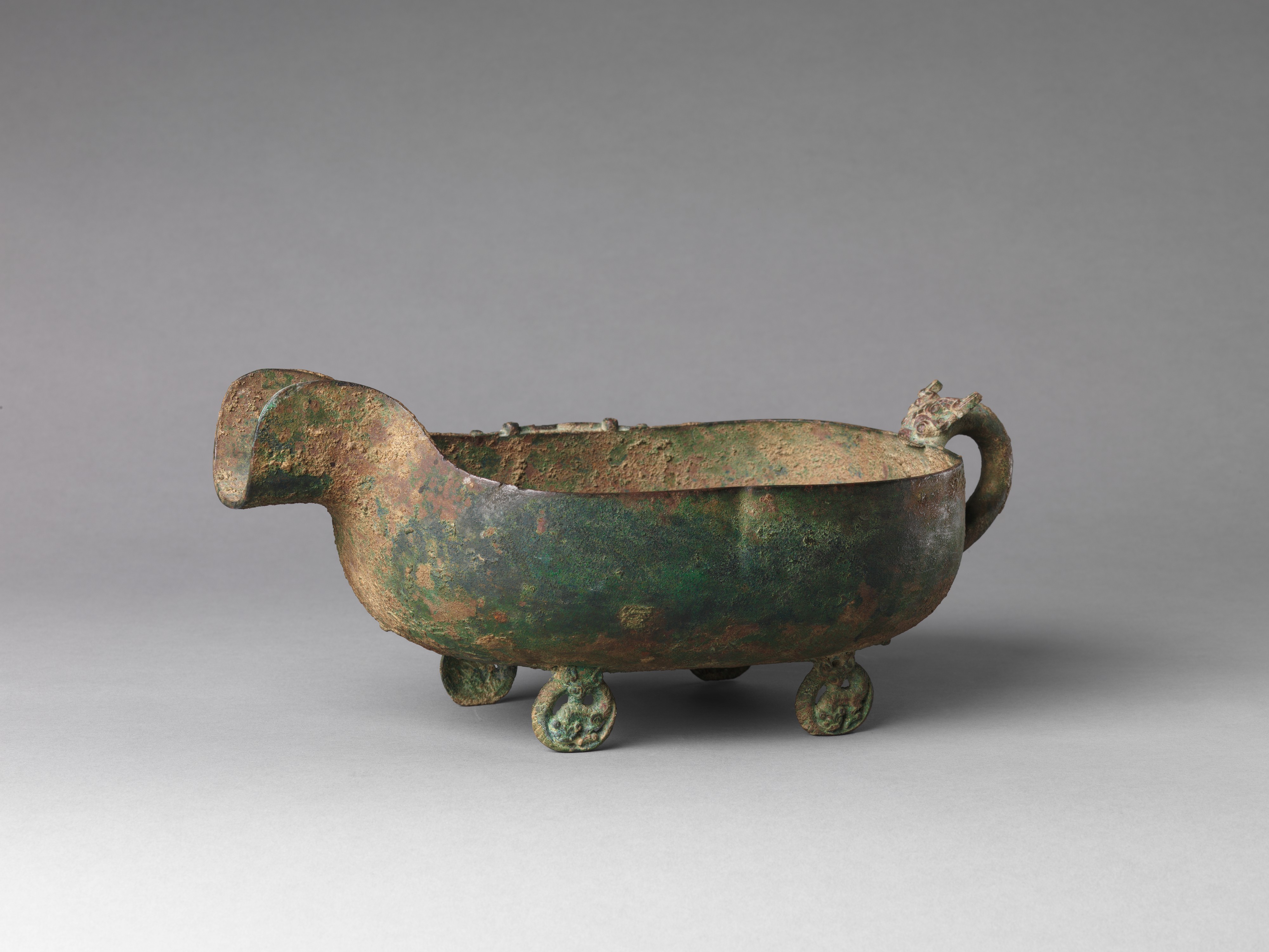
Heritage Analysis: The Bronze Pouring Vessel (Yi) — A Study in Symbolic Power and Luxury Brand Strategy for 2026
Introduction: The Yi as a Cultural Artifact of Transformation
The bronze pouring vessel, known as a yi, from ancient China (circa 11th–3rd century BCE), is far more than a utilitarian object for water. It is a ceremonial instrument of purification, a symbol of ritual authority, and a testament to the sophisticated metallurgical and aesthetic sensibilities of the Zhou dynasty. At Katherine Fashion Lab, we approach this artifact not merely as an archaeological relic but as a resonant heritage asset that informs our 2026 high-end luxury strategy. This analysis establishes a DNA correlation between the yi, our prior study of the Rock in the Form of a Fantastic Mountain, and the Jar in the Shape of Bronze Container (Hu). Together, these three objects reveal a unified narrative of transformation, containment, and the symbolic elevation of natural elements—a narrative that is directly translatable into modern luxury brand storytelling.
Historical Resonance: The Yi as a Vessel of Ritual and Authority
In the context of ancient Chinese bronzes, the yi served a specific function in the ritual washing of hands before ceremonies, particularly during the Zhou dynasty’s elaborate ancestor worship and state rites. Water, poured from the yi over the hands, was not merely a cleansing agent but a spiritual conduit—a medium that connected the mortal realm with the ancestral and celestial realms. The act of pouring symbolized the flow of life force (qi), purification, and the transition from the profane to the sacred.
This functional symbolism parallels the Rock in the Form of a Fantastic Mountain, which transforms inert stone into a microcosm of the sacred mountain—a dwelling place of immortals. Similarly, the Jar in the Shape of Bronze Container (Hu) is a vessel that contains and preserves, often used for ritual wine or food offerings. The yi, rock, and hu are united by a common principle: the transformation of raw material (bronze, stone, clay) into objects that mediate between the human and the divine. For Katherine Fashion Lab, this triad represents a core luxury value: craft as a bridge to transcendence.
Symbolic Power and Spiritual Meaning
The yi’s symbolic power is rooted in its material and form. Bronze, an alloy of copper and tin, was itself a symbol of endurance and authority in ancient China. The casting process—using piece molds and intricate lost-wax techniques—required immense skill and resources, making bronze objects markers of aristocratic and royal power. The yi’s form, often featuring a long spout, a handle, and a deep basin, evokes the flow of water as a life-giving and purifying force. Its surface is frequently adorned with taotie masks (composite animal faces), dragon motifs, and geometric thunder patterns (leiwen). These designs were not merely decorative; they were apotropaic—intended to ward off evil spirits and attract benevolent forces.
Spiritually, the yi embodies the concept of wuxing (five phases) and the yin-yang dynamic. Water, as one of the five phases, is associated with fluidity, wisdom, and adaptability. The act of pouring from a bronze vessel—a metal element—symbolizes the harmonious interaction of metal and water, a balance that was essential for cosmic order. In a luxury context, this translates into a brand philosophy of balance between tradition and innovation, material mastery and spiritual intention.
DNA Correlation: Rock, Hu, and Yi as a Triadic Heritage System
Our research on the Rock in the Form of a Fantastic Mountain revealed how a natural object is transformed into a symbolic landscape—a microcosm of the sacred. The Jar in the Shape of Bronze Container (Hu) demonstrated how a vessel form is borrowed from metalwork to serve as a container for ritual substances, emphasizing containment and preservation. The yi completes this triad by focusing on flow and transformation. Together, they form a heritage system based on three core principles:
1. Transformation of Material into Symbol: The rock becomes a mountain; the hu becomes a ritual container; the yi becomes a purifier. Each object transcends its raw material through craftsmanship and symbolic intent.
2. Containment and Release: The hu contains; the yi releases. This dialectic is essential for understanding luxury as an experience of controlled flow—whether of water, wine, or meaning.
3. Cosmic Mediation: All three objects serve as intermediaries between the human and the divine, the mundane and the sacred. For a luxury brand, this translates into objects that elevate daily rituals into moments of transcendence.
2026 High-End Luxury Strategy: Translating the Yi into Brand Narrative
For Katherine Fashion Lab’s 2026 strategy, the yi offers three key strategic pillars:
Pillar 1: The Ritual of Purity and Renewal
The yi’s function as a purifier aligns with the growing luxury consumer demand for wellness and intentionality. In 2026, high-end brands will increasingly emphasize ritualistic consumption—products that are not just acquired but used in a ceremonial manner. Katherine Fashion Lab can develop a limited-edition “Yi Collection” of accessories or home objects that mimic the pouring form—such as a perfume dropper, a tea vessel, or a water carafe—each designed to be used in a slow, mindful ritual. The brand’s narrative would position these objects as modern talismans for clarity and renewal.
Pillar 2: Material Alchemy and Craft Mastery
The yi’s bronze construction speaks to the value of rare materials and artisanal expertise. For 2026, Katherine Fashion Lab can collaborate with contemporary metal artisans to create bronze-accented luxury goods—from jewelry with patina finishes to leather goods with bronze hardware that ages beautifully. The brand should emphasize the alchemical narrative: how raw metals are transformed through fire and skill into objects of enduring beauty. This resonates with the heritage DNA of the yi and the hu, both of which celebrate material transformation.
Pillar 3: Symbolic Adornment and Apotropaic Luxury
The yi’s decorative motifs—taotie masks, dragons, and thunder patterns—offer a rich visual vocabulary for protective luxury. In 2026, consumers are increasingly drawn to objects that carry meaning beyond aesthetics. Katherine Fashion Lab can integrate these ancient symbols into a “Guardian” line of scarves, brooches, or embroidered patterns on garments. Each symbol would be contextualized in storytelling—explaining its apotropaic function and spiritual significance. This approach positions the brand as a curator of protective heritage, appealing to the emotional and spiritual needs of the discerning luxury client.
Conclusion: The Yi as a Blueprint for Timeless Luxury
The bronze pouring vessel (yi) is not a static artifact but a living template for luxury brand innovation. Its DNA—rooted in transformation, ritual, and cosmic mediation—directly correlates with the Rock in the Form of a Fantastic Mountain and the Jar in the Shape of Bronze Container (Hu), forming a triadic heritage system that Katherine Fashion Lab can leverage for 2026. By focusing on purification rituals, material alchemy, and symbolic adornment, the brand can create a coherent, spiritually resonant luxury experience that honors the past while defining the future. The yi teaches us that true luxury is not about possession but about meaningful transformation—a lesson that will guide Katherine Fashion Lab’s strategy in the coming year.