Heritage Analysis: The Ancient Lamp as a Symbol of Illumination and Power
Introduction: The Lamp as a Cultural Artifact
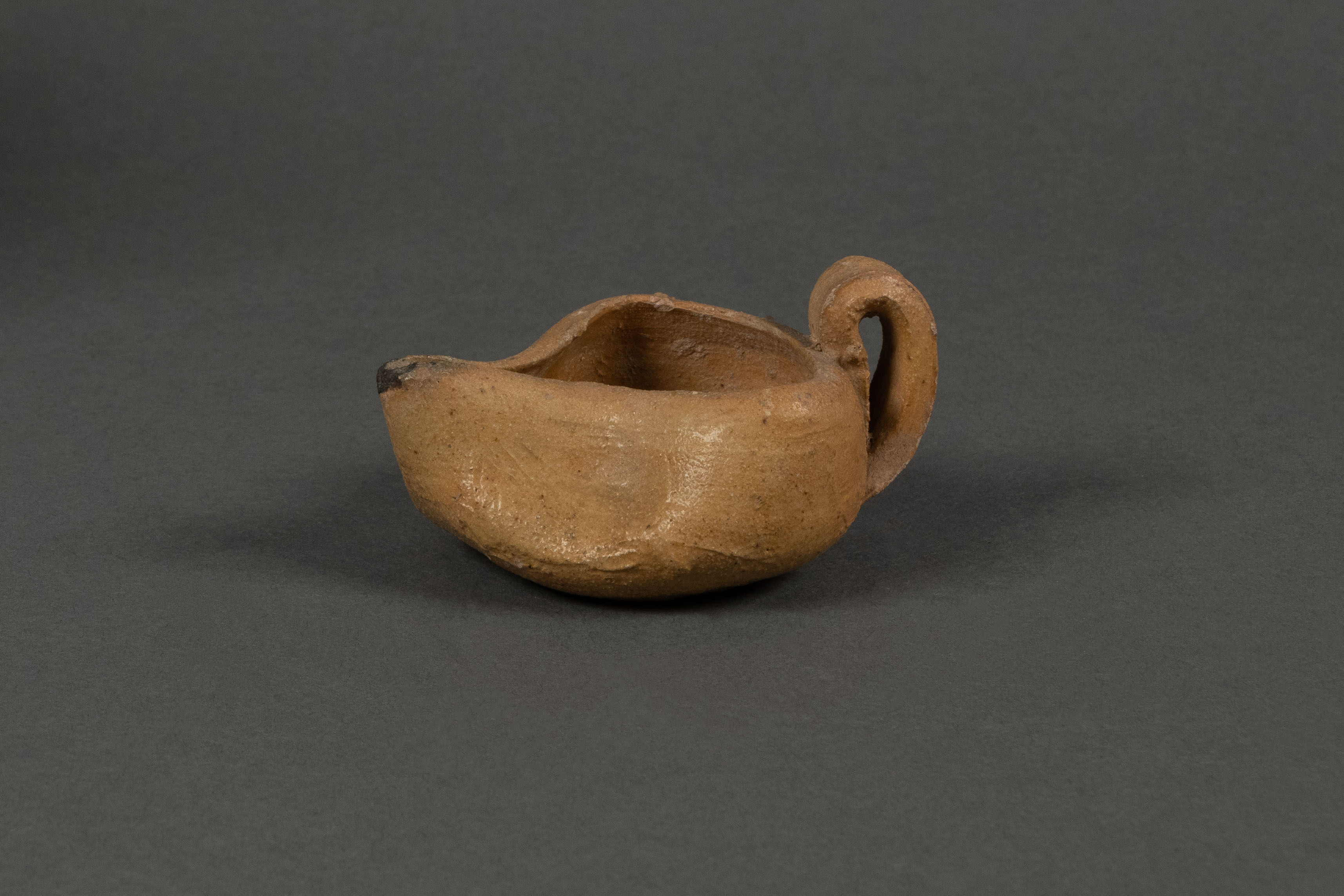
The earthenware lamp, glazed in a warm yellow-brown hue, stands as a profound testament to the symbolic and functional ingenuity of ancient civilizations. Crafted from humble clay yet elevated by a vitreous finish, this object transcends its utilitarian purpose of providing light. Within the context of Katherine Fashion Lab, this artifact serves as a strategic standalone research subject, offering a rich repository of symbolic power, historical adornment, and spiritual meaning. For the 2026 high-end luxury market, the lamp’s heritage provides a blueprint for integrating timeless narratives into contemporary brand strategy, marrying artisanal authenticity with aspirational storytelling.
Symbolic Power: Light as Authority and Knowledge
In ancient societies, the lamp was far more than a source of illumination; it was a potent emblem of authority, knowledge, and divine favor. The yellow-brown glaze, reminiscent of aged gold or sun-drenched earth, further amplifies this symbolism. In Mesopotamian, Egyptian, and Greco-Roman cultures, lamps were often placed in temples, tombs, and royal chambers to signify the presence of the divine or the eternal flame of wisdom. The act of lighting a lamp was a ritual of transition—from darkness to clarity, from ignorance to enlightenment. For Katherine Fashion Lab, this symbolic power translates into a luxury narrative where light represents insight, exclusivity, and transformative experience. A high-end brand can leverage this by positioning its products as beacons of cultural sophistication, illuminating the wearer’s personal journey and social standing. The lamp’s ancient role as a marker of status—owned by priests, rulers, and scholars—directly informs a 2026 strategy where heritage becomes a differentiator in a crowded market.
Historical Adornment: Craftsmanship and Materiality
The medium of earthenware, combined with a yellow-brown glaze, reveals a sophisticated understanding of material transformation. Ancient potters mastered the chemistry of clay and kiln, achieving a lustrous surface that mimicked precious metals. This process of adornment through glaze elevated a common material to a luxury object. The lamp’s form—often featuring a spout for the wick, a handle for portability, and decorative motifs such as geometric patterns or mythological scenes—demonstrates a deliberate fusion of function and aesthetics. For Katherine Fashion Lab, this offers a critical lesson in historical adornment: luxury is not merely about opulence but about the skill and intention behind the object’s creation. The 2026 high-end consumer increasingly values artisanal narratives, where the “hand of the maker” is visible. The lamp’s earthenware body, with its subtle imperfections and warm glaze, invites a strategy that celebrates imperfect perfection—a counterpoint to mass-produced uniformity. This aligns with the growing trend of “slow luxury,” where heritage techniques are revived and honored.
Spiritual Meaning: The Lamp as a Vessel of the Sacred
Across ancient civilizations, the lamp held profound spiritual significance. In Egyptian funerary practices, lamps were placed in tombs to guide the deceased through the underworld. In Greek and Roman households, oil lamps were lit before household altars to honor ancestors and household gods. In Eastern traditions, the lamp symbolizes the eternal flame of the soul, burning away ignorance. The yellow-brown glaze, evoking the color of amber or honey, was often associated with preservation, warmth, and life force. For Katherine Fashion Lab, this spiritual dimension offers a unique brand archetype: the lamp as a guardian of heritage and a conduit for inner light. In 2026, luxury consumers are seeking meaning beyond material accumulation. They desire objects that resonate with personal or collective spirituality—pieces that tell a story of protection, transformation, or transcendence. A fashion brand can adopt this symbolism by designing collections that reference the lamp’s sacred geometry, using amber-toned textiles, or incorporating motifs of flame and light. The spiritual meaning also supports a marketing narrative around ritual and intention, encouraging customers to view their purchases as part of a personal or cultural ceremony.
2026 High-End Luxury Strategy: Integrating Heritage into Modern Branding
Drawing from the lamp’s heritage, Katherine Fashion Lab can develop a 2026 luxury strategy that is both historically grounded and forward-looking. The following pillars emerge from this analysis:
1. Narrative of Illumination: Position the brand as a source of cultural insight and personal enlightenment. Campaigns can use light and shadow as visual metaphors, emphasizing the transformative power of wearing or owning a piece. The lamp’s symbolism of knowledge can be leveraged through collaborations with historians, artisans, or cultural institutions, creating limited-edition pieces that tell specific ancient stories.
2. Material Authenticity: The earthenware and yellow-brown glaze highlight the value of natural materials and traditional processes. For 2026, Katherine Fashion Lab should prioritize sustainable sourcing and artisanal partnerships, using clay, terracotta, or amber-toned metals in accessories and packaging. The “imperfect” texture of earthenware can inspire fabric treatments, such as hand-dyed linens or irregular weaves, that evoke the lamp’s tactile warmth.
3. Ritual-Based Marketing: The spiritual meaning of the lamp invites a strategy around ritual and ceremony. Launch a “Light of Heritage” collection tied to seasonal solstices or cultural festivals. Offer bespoke experiences where customers participate in a lighting ceremony or receive a personalized narrative about the lamp’s symbolism. This deepens emotional engagement and fosters brand loyalty.
4. Status Through Knowledge: In ancient times, owning a lamp signified access to knowledge and power. For the 2026 luxury consumer, status is increasingly tied to cultural capital. Katherine Fashion Lab can create a “Heritage Circle” membership, offering exclusive access to lectures, exhibitions, or private viewings of ancient artifacts. This positions the brand as a gatekeeper of refined taste and historical wisdom.
5. Color and Glaze as Signature: The yellow-brown glaze can become a brand signature color—a warm, earthy hue that evokes antiquity and luxury. Use it in seasonal palettes, packaging, and digital design. This chromatic consistency creates immediate brand recognition, much like Tiffany blue or Hermès orange. The glaze’s association with preservation also aligns with the 2026 emphasis on longevity and heirloom quality.
Conclusion: The Lamp as a Strategic Beacon
The ancient earthenware lamp, with its yellow-brown glaze, is far more than a relic of the past. It is a strategic beacon for Katherine Fashion Lab, illuminating pathways to symbolic power, historical adornment, and spiritual meaning. By integrating these elements into a 2026 high-end luxury strategy, the brand can transcend transient trends, offering consumers objects that are not merely fashionable but profoundly resonant. The lamp teaches us that true luxury lies in the marriage of material mastery and narrative depth—a lesson as timeless as the flame it once held.