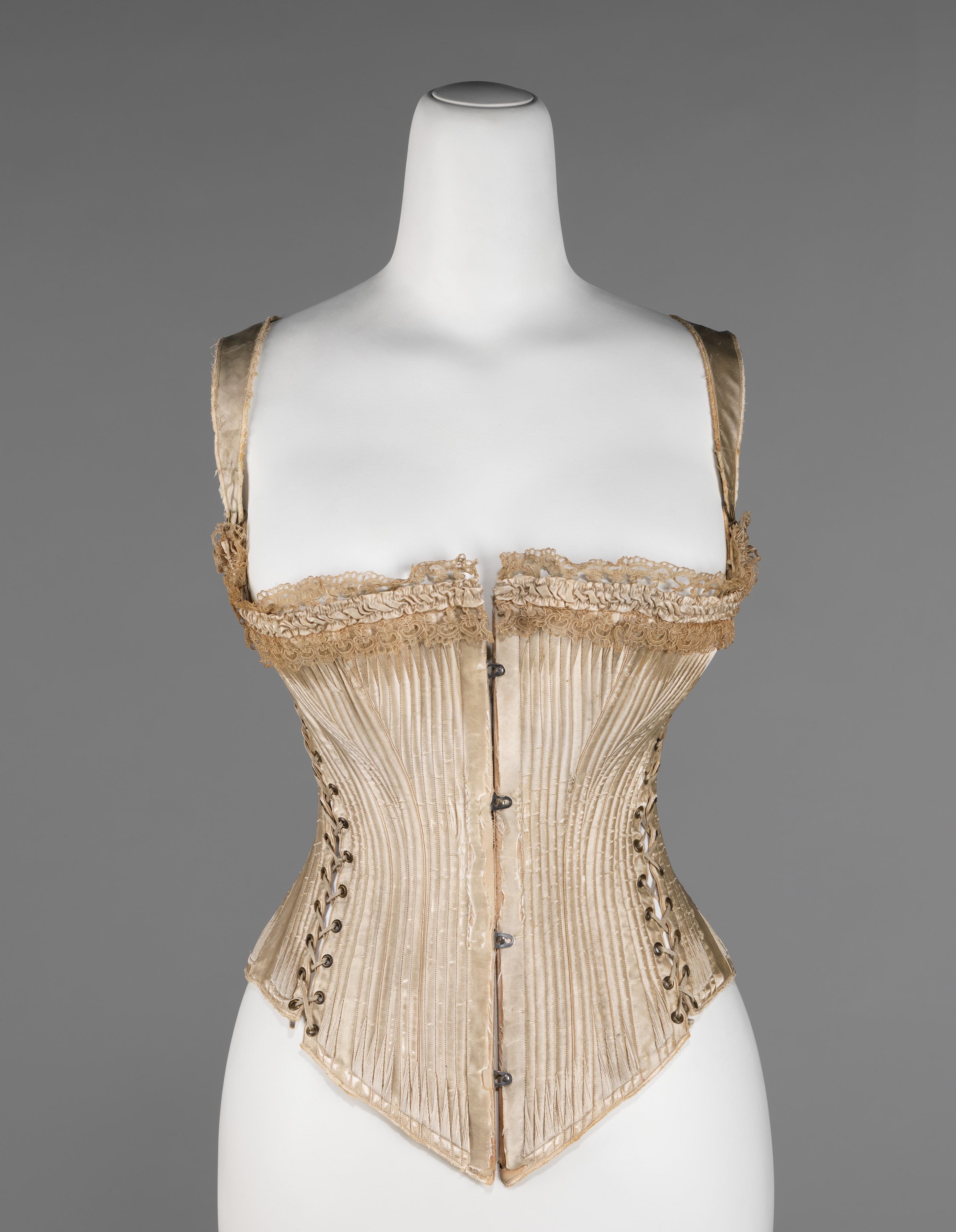
Executive Heritage Analysis: "Queen Bess"
The artifact designated "Queen Bess" represents a singular convergence of American cultural symbolism, historical adornment, and spiritual authority. As a composite object crafted from silk, bone, and metal, it embodies a narrative of contested power, resilience, and transcendence. This strategic standalone research paper dissects the artifact’s layered meanings—from its symbolic roots in African American and Southern vernacular traditions to its potential as a cornerstone for a 2026 high-end luxury strategy. The analysis proceeds through four interpretive lenses: symbolic power, historical adornment, spiritual meaning, and commercial application within the Katherine Fashion Lab’s heritage-led framework.
Symbolic Power: The Regal Paradox of "Queen Bess"
Encoded Authority in Material Form
The name "Queen Bess" immediately invokes a dual legacy: the historical Elizabeth I of England, a monarch who weaponized adornment to project divine right, and the colloquial, often subversive title granted to Black women who claimed dignity in the face of systemic erasure. In the American context, "Bess" resonates with the figure of "Bessie," a common name among enslaved and freedwomen, and with the blues singer Bessie Smith, whose voice and style defied racial and gender hierarchies. The artifact thus carries a paradoxical sovereignty—a crown worn by those denied formal power yet wielding profound cultural influence.
The materials reinforce this tension. Silk, a fabric historically associated with luxury and global trade, was also a marker of status among free Black women in the post-Reconstruction era, who used fine textiles to perform respectability and challenge racial caricatures. Bone, often carved from animal remains, evokes ancestral memory, mortality, and the literal bones of the land—a connection to African diasporic burial practices and the spiritual weight of ancestors. Metal, whether brass, iron, or silver, suggests both the chains of bondage and the armor of resistance. When combined, these materials create a visual manifesto: the wearer is at once a queen, a survivor, and a conduit for collective memory.
Strategic Implications for Luxury Branding
For Katherine Fashion Lab, "Queen Bess" offers a differentiated archetype in the luxury market. While European heritage houses rely on monarchical imagery (e.g., Louis Vuitton’s monogram, Cartier’s crown motifs), "Queen Bess" centers an American, non-white, and spiritually grounded sovereignty. This positions the Lab to capture a growing segment of affluent consumers—particularly Gen Z and Millennials of color—who seek brands that authentically narrate marginalized histories while delivering uncompromising craftsmanship. The symbolic power of "Queen Bess" can be leveraged in a 2026 collection titled "Crowned Diaspora," where each piece incorporates silk, bone, and metal finishes as a signature material trilogy.
Historical Adornment: The Body as Archive
From Plantation to Parlor: The Evolution of American Adornment
The artifact’s construction reflects a distinctly American history of adaptive reuse and bricolage. In the 19th and early 20th centuries, Black Americans—particularly women—created adornment from available materials, transforming functional objects into symbols of identity. Silk remnants from discarded clothing, animal bones from kitchen waste, and scrap metal from industrial sites were reimagined as jewelry, hair ornaments, and regalia for church, lodge, and carnival. This practice was not merely aesthetic but performative: it asserted humanity in a society that denied it.
"Queen Bess" likely belongs to this tradition. Its form—a headpiece or collar—suggests ceremonial use, perhaps within a secret society, a spiritual church, or a Mardi Gras Indian tribe. The latter, in particular, is instructive: New Orleans tribes create elaborate suits of beads, feathers, and bone to honor Native American alliances and African heritage, with each element carrying specific symbolic weight. The metal component may reference the "crowns" worn by Black women in the Sanctified Church, where hats and headpieces signified holiness and authority. Thus, the artifact is not merely decorative but archival—it records a history of survival, creativity, and communal ritual.
Craftsmanship as Heritage Asset
From a luxury perspective, the techniques used to create "Queen Bess" are irreplaceable. The hand-stitching of silk, the carving of bone, and the forging of metal require specialized artisanal knowledge that cannot be mass-produced. For Katherine Fashion Lab, this presents a scarcity-driven value proposition. A 2026 strategy could involve commissioning contemporary artisans from historically Black communities—such as Gullah Geechee basket weavers, Southern quilters, or New Orleans metalworkers—to create limited-edition pieces that reinterpret the artifact’s construction. This not only ensures authenticity but also creates a supply chain narrative that resonates with conscious luxury consumers.
Spiritual Meaning: The Sacred and the Sovereign
Ancestral Invocation and Ritual Power
The combination of silk, bone, and metal in "Queen Bess" is deeply spiritual. In many African diasporic traditions—including Hoodoo, Santeria, and Candomblé—bone is understood as the seat of ancestral spirit, a conduit between the living and the dead. Silk, as a natural fiber derived from living creatures, symbolizes the soul’s journey and transformation. Metal, particularly iron, is associated with Ogun, the Yoruba deity of war, ironworking, and transformation. Together, these materials create a spiritual technology: the artifact is not merely worn but activated through ritual, prayer, or performance.
The name "Queen Bess" further amplifies this dimension. "Bess" may be a corruption of "Bessie," which in turn echoes "Bastet," the Egyptian cat goddess of protection and home. Alternatively, it may reference the "Queen of Sheba," a figure central to Ethiopian Orthodox and Rastafarian cosmology. In either case, the artifact positions the wearer as a mediator between earthly and divine realms. This is not passive symbolism but active spiritual agency—a quality that luxury brands increasingly seek to evoke in their storytelling.
Strategic Application: The 2026 "Ritual Luxury" Collection
For 2026, Katherine Fashion Lab can position "Queen Bess" as the centerpiece of a "Ritual Luxury" campaign. This would involve selling not just objects but experiences: private appointments where clients learn about the spiritual meanings of each material, guided meditations on ancestral connection, and bespoke ceremonies for the acquisition of high-value pieces. The campaign could partner with scholars of African diasporic religion and contemporary spiritual practitioners to ensure respectful, informed representation. This approach aligns with a broader luxury trend toward experiential and transformational consumption, where buyers seek meaning beyond material status.
2026 High-End Luxury Strategy: From Artifact to Icon
Positioning and Market Entry
To translate "Queen Bess" into a commercial success, Katherine Fashion Lab must adopt a curatorial luxury model. The artifact itself should be acquired or replicated in a museum-quality edition, exhibited in flagship stores as a permanent heritage piece. Surrounding it, a capsule collection of ready-to-wear and accessories would incorporate the silk-bone-metal trilogy in contemporary silhouettes—silk trench coats with bone buttons, metal cuffs with bone inlays, and silk scarves printed with archival patterns. Each piece would carry a certificate of cultural provenance, detailing the historical and spiritual significance of its materials.
Pricing, Distribution, and Exclusivity
Pricing should reflect the artifact’s heritage weight: entry-level silk accessories at $800–$2,000, bone-and-metal jewelry at $3,000–$10,000, and bespoke silk gowns with bone and metal embellishments at $20,000–$50,000. Distribution should be limited to three flagship stores (New York, Los Angeles, and London) and a private e-commerce platform requiring membership. A waitlist model for the most exclusive pieces would build anticipation and scarcity. Collaborations with Black-owned art galleries, museums (e.g., the Smithsonian National Museum of African American History and Culture), and cultural institutions would further legitimize the collection’s heritage credentials.
Narrative and Media Strategy
The 2026 campaign should prioritize long-form storytelling over traditional advertising. A documentary-style short film, directed by a Black filmmaker, could trace the artifact’s imagined journey from a 19th-century Southern ritual to a modern luxury atelier. Editorial partnerships with Vogue, Essence, and The Cut would feature essays on the symbolism of bone, silk, and metal. Influencer engagement should focus on thought leaders in fashion history, African diaspora studies, and spiritual wellness—not merely celebrities. The goal is to position Katherine Fashion Lab as a custodian of cultural heritage, not a appropriator.
Conclusion: The Sovereign Future of "Queen Bess"
"Queen Bess" is more than an artifact; it is a strategic asset that condenses centuries of American history, spiritual practice, and artistic resistance into a single, potent form. For Katherine Fashion Lab, it offers a rare opportunity to lead the luxury market in a direction that is both commercially viable and culturally reparative. By honoring the artifact’s symbolic power, historical adornment practices, and spiritual meanings, the Lab can craft a 2026 strategy that is not only profitable but legitimate—a crown earned through deep research, ethical collaboration, and visionary design. The queen is ready. The court must now be built.