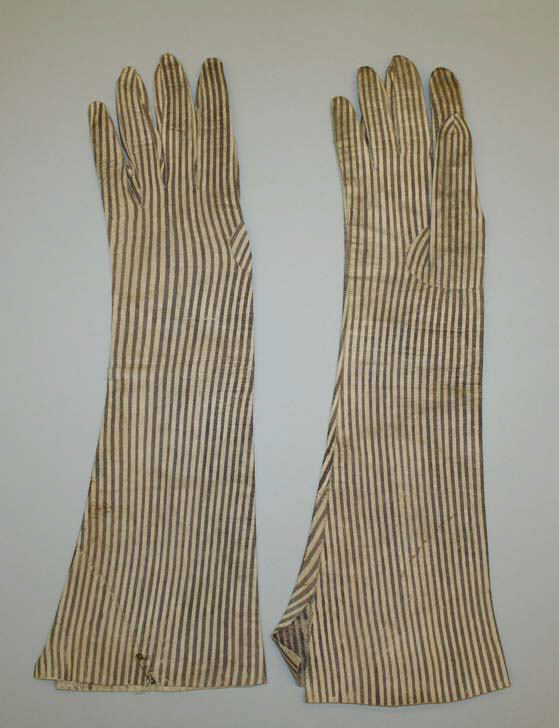
The Art of the Hand: A Couture Analysis of Italian Leather Gloves
In the rarefied world of haute couture, few accessories command the quiet authority of a meticulously crafted glove. At Katherine Fashion Lab, we recognize that the glove is not merely a functional covering but a profound statement of intent—a second skin that articulates discipline, elegance, and a mastery of material. This standalone study focuses on a singular subject: Italian leather gloves. We dissect their construction, provenance, and cultural resonance, elevating them from mere apparel to objects of sartorial architecture.
Provenance and Materiality: The Italian Imperative
To understand the glove is to first understand its origin. Italy, particularly the regions of Naples, Lombardy, and Tuscany, has long been the epicenter of glove-making excellence. This is not happenstance but the result of centuries of artisanal refinement, deeply intertwined with the country’s leatherworking heritage. The material itself—Italian leather—is the foundation of this analysis. Unlike mass-produced alternatives, Italian leather is prized for its suppleness, grain consistency, and ability to age with grace. The tanning processes, often employing vegetable-based techniques, yield a hide that is both durable and breathable, allowing the glove to mold to the hand’s unique topography over time.
For Katherine Fashion Lab, the selection of leather is a deliberate act of curation. We favor kid leather—derived from young goats—for its unparalleled fineness and elasticity. This material, when sourced from Italian tanneries such as those in the Santa Croce sull’Arno district, offers a tensile strength that belies its delicate hand. The result is a glove that moves with the wearer, not against them, creating a seamless interface between intention and action. The leather’s natural luster, often left uncoated, speaks to a philosophy of authenticity: it is a material that communicates its own history, from the animal to the artisan to the wearer.
Construction: The Architecture of Fit
Couture gloves are defined not by their ornamentation but by their construction. The hallmark of an exceptional Italian leather glove is its bespoke fit, achieved through a process known as “cutting.” Unlike ready-to-wear gloves, which rely on standardized sizing, couture gloves are patterned to the individual hand. At Katherine Fashion Lab, we emphasize the importance of the fourchettes—the small panels between the fingers—and the thumb gusset, which allow for natural articulation. A poorly constructed thumb gusset, for instance, results in bunching and discomfort; a masterful one enables the glove to feel like a second skin, granting full dexterity without sacrifice.
The stitching is another critical element. Italian artisans often employ hand-sewn techniques, using silk or polyester threads that are strong yet fine. The most revered method is the punto a rilievo, a raised stitching pattern that not only reinforces the seams but also adds a subtle textural dimension. This detail, while invisible to the casual observer, is a signature of quality. For Katherine Fashion Lab, such craftsmanship is non-negotiable. It transforms the glove from a commodity into a heirloom—a piece that can be repaired, reconditioned, and passed down through generations.
Design Philosophy: Minimalism as Maximal Expression
In the context of couture, the Italian leather glove often adheres to a philosophy of restrained elegance. Unlike the ornate, bejeweled gloves of the Baroque era, contemporary designs favor clean lines and subtle details. A single seam, a precise cut, a whisper of color—these are the tools of the couturier. At Katherine Fashion Lab, we advocate for a design language that prioritizes silhouette and texture over embellishment. A glove in black calfskin or burgundy suede carries its own narrative; it does not require gilding.
However, this minimalism is not an absence of thought. It is a deliberate choice to let the material and construction speak. Consider the length of the glove: an opera-length glove, reaching above the elbow, communicates formality and drama, while a wrist-length glove suggests practicality and understatement. The closure mechanism—whether a single button, a row of snaps, or a zipper—further defines the glove’s character. In Italian couture, buttons are often made of mother-of-pearl or polished horn, adding a tactile contrast to the leather’s softness. These are not decisions made lightly; they are the result of a rigorous design process that balances aesthetics with ergonomics.
Cultural and Symbolic Resonance
The glove, in its Italian iteration, carries a weight of cultural symbolism. It is an accessory of power and decorum, historically worn by aristocrats and diplomats to signify status and composure. In the 20th century, icons like Audrey Hepburn and Grace Kelly elevated the glove to a symbol of timeless femininity, while figures like James Dean and Steve McQueen imbued it with a rugged masculinity. For Katherine Fashion Lab, the glove is a bridge between these dualities—it can be both a shield and an invitation, a tool of seduction and of authority.
In the context of modern fashion, the Italian leather glove also represents a counterpoint to fast fashion’s disposability. To wear a couture glove is to make a statement about sustainability through longevity. The investment in a single pair, crafted from ethically sourced Italian leather and handmade by a master artisan, is an act of resistance against the ephemeral. It is a commitment to quality over quantity, to the tactile pleasure of a material that improves with age, and to the preservation of a craft that risks extinction.
Styling and Versatility: From Day to Night
A well-constructed Italian leather glove is remarkably versatile. For daytime, a pair of short, unlined gloves in a neutral tone—taupe, charcoal, or dove gray—complements a tailored coat or a cashmere sweater. The key is to allow the glove to harmonize with the outfit’s texture, not compete with it. For evening wear, a long, lined glove in black or deep navy adds a layer of sophistication to a gown or a tuxedo. The glove becomes an extension of the sleeve, creating a continuous line that elongates the arm and enhances the silhouette.
At Katherine Fashion Lab, we also explore the interplay of color and finish. A matte leather glove in a bold hue—such as emerald green or oxblood—can serve as a focal point, drawing the eye and adding a touch of avant-garde flair. Conversely, a patent leather glove in jet black offers a high-shine accent that catches light and commands attention. The choice is ultimately one of intention: the glove must serve the wearer’s narrative, whether that narrative is one of quiet confidence or bold expression.
Conclusion: The Glove as a Masterpiece
In this standalone analysis, we have journeyed from the tanneries of Italy to the ateliers of master glovers, from the cut of the hide to the stitch of the seam. The Italian leather glove, as interpreted by Katherine Fashion Lab, is not an accessory—it is a masterpiece of wearable art. It embodies the intersection of material science, artisanal skill, and cultural history. To wear such a glove is to participate in a lineage of craftsmanship that spans centuries, and to affirm that the hand, in its most adorned form, is capable of both the delicate and the decisive.
For the discerning connoisseur, the glove is a final, deliberate punctuation to an ensemble—a detail that, when executed with Italian precision, transforms the ordinary into the extraordinary. At Katherine Fashion Lab, we invite you to consider not just the glove, but the hand it inhabits, and the story it tells.