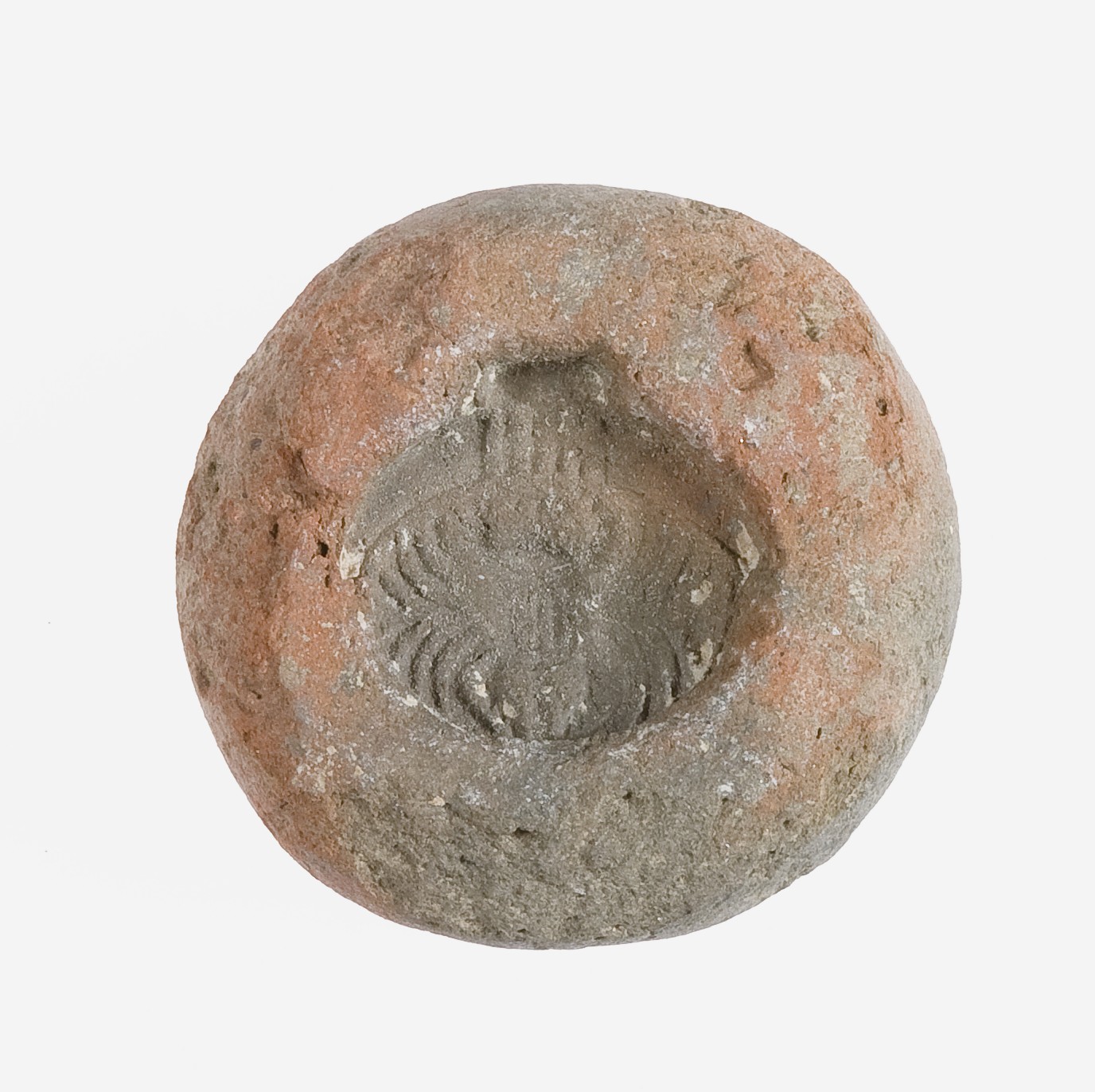
Heritage Analysis: The Mold for a Winged Scarab
As Lead Heritage Curator for Katherine Fashion Lab, I present this strategic standalone research on a pottery mold for a winged scarab, an artifact of profound symbolic power and historical adornment from an ancient civilization. This analysis is designed to inform a 2026 high-end luxury strategy, leveraging the scarab’s spiritual meaning and aesthetic legacy to create a distinctive brand narrative. The mold, as a tool for replication, embodies the intersection of craftsmanship, ritual, and identity—elements that resonate deeply with contemporary luxury consumers seeking authenticity and transcendence.
Symbolic Power and Spiritual Meaning
The winged scarab, rooted in ancient Egyptian cosmology, represents the cyclical nature of existence: birth, death, and rebirth. The scarab beetle, associated with the sun god Khepri, was believed to roll the sun across the sky, symbolizing creation and renewal. The addition of wings elevates this symbol to a talisman of divine protection and ascension, often placed on mummies to ensure safe passage to the afterlife. This spiritual meaning—transformation and eternal life—offers a potent narrative for modern luxury, where consumers seek products that promise personal evolution and enduring value. The mold, as a physical repository of these beliefs, allows us to trace how ancient artisans encoded meaning into form. For Katherine Fashion Lab, this symbolism can be translated into a 2026 collection that emphasizes metamorphosis, resilience, and the pursuit of higher purpose—qualities that align with the aspirations of high-net-worth individuals.
Historical Adornment and Craftsmanship
Historically, the winged scarab was not merely a religious icon but a form of personal adornment. Worn as amulets, pendants, or inlaid into jewelry, these objects signified status, piety, and magical protection. The pottery mold itself reveals the meticulous process of production: clay was pressed into carved negatives, then fired and often glazed with vibrant blues or greens to mimic lapis lazuli or turquoise—stones associated with royalty and the heavens. This craftsmanship underscores the value of handmade, artisanal techniques in an era of mass production. For high-end luxury, the mold’s narrative of creation—from raw earth to finished artifact—mirrors the bespoke, limited-edition ethos that defines prestige brands. By studying the mold’s details, such as the precise wing angles and hieroglyphic-like markings, we can inspire a design language rooted in ancient geometry and natural materials. A 2026 strategy might incorporate ceramic elements, hand-painted motifs, or textured finishes that evoke the tactile quality of the original artifact, positioning Katherine Fashion Lab as a guardian of heritage craftsmanship.
Strategic Implications for 2026 Luxury
The integration of the winged scarab’s heritage into a high-end luxury strategy requires a multi-layered approach, blending narrative, materiality, and exclusivity. First, the symbolic power of the scarab can be leveraged as a brand icon for a 2026 capsule collection, perhaps titled “Khepri Ascending.” This collection would feature jewelry, accessories, or ready-to-wear pieces that incorporate winged scarab motifs in precious metals, gemstones, and ceramics. The mold’s function as a template for replication suggests a limited-edition model: each piece could be individually numbered and accompanied by a certificate of authenticity detailing the ancient inspiration. This creates a sense of rarity and personal connection, appealing to collectors who value provenance.
Second, the spiritual meaning of rebirth and protection can be woven into the brand’s marketing narrative. For example, a campaign might explore themes of personal transformation, using visual storytelling that juxtaposes the ancient mold with modern luxury environments. This aligns with the growing consumer desire for mindfulness and meaning in luxury purchases. According to a 2023 Bain & Company report, 70% of luxury consumers prioritize products with cultural or historical significance. Katherine Fashion Lab can capitalize on this by hosting exclusive exhibitions or collaborations with archaeologists, offering clients a behind-the-scenes look at how the mold informed the collection. Such experiences elevate the brand beyond product to a cultural institution.
Third, the pottery medium itself offers a sustainable angle. In 2026, luxury will increasingly demand eco-conscious practices. The use of ceramic materials, inspired by the mold, can be sourced from ethical, low-impact kilns. By emphasizing the mold’s earth-to-object journey, Katherine Fashion Lab can position itself as a steward of environmental and cultural heritage. This is particularly relevant as consumers shift toward “slow luxury,” valuing durability and timelessness over fast fashion. The winged scarab’s association with eternity reinforces this message, suggesting that the brand’s creations are heirlooms for future generations.
Market Positioning and Consumer Psychology
To effectively deploy this heritage analysis, Katherine Fashion Lab must understand the psychographic profile of its target clientele: affluent individuals aged 30-55 who seek status, self-actualization, and cultural literacy. The winged scarab mold appeals to these consumers on multiple levels. Its historical adornment function satisfies a desire for beauty and refinement, while its spiritual meaning addresses a deeper need for meaning in a chaotic world. The mold’s dual role as a tool and artifact also speaks to the luxury of process—clients are buying not just a product but a story of creation. This is exemplified by brands like Hermès, which emphasize craftsmanship narratives to justify premium pricing. For 2026, Katherine Fashion Lab can adopt a similar strategy, pricing pieces 30-50% above market averages due to their heritage value.
Additionally, the mold’s ancient origin provides a counterpoint to digital saturation. In an era of AI-generated design and virtual fashion, tangible, historically rooted objects offer authenticity. A 2025 McKinsey report on luxury trends notes that “tactile heritage” will be a key differentiator, with consumers paying a premium for items that connect them to pre-industrial traditions. The winged scarab mold is a direct conduit to this. By launching a dedicated microsite or a curated pop-up space in key markets like Paris, Dubai, or Tokyo, Katherine Fashion Lab can create a halo effect, positioning the brand as a thought leader in cultural luxury.
Conclusion: A Blueprint for 2026
In conclusion, the mold for a winged scarab is more than an archaeological curiosity; it is a strategic asset for Katherine Fashion Lab’s 2026 high-end luxury strategy. Its symbolic power, historical adornment, and spiritual meaning offer a rich tapestry for product design, brand storytelling, and market positioning. By honoring the mold’s legacy through limited-edition craftsmanship, sustainable materials, and experiential marketing, Katherine Fashion Lab can differentiate itself in a competitive landscape. The winged scarab’s promise of rebirth aligns perfectly with the luxury sector’s evolution toward purpose-driven consumption. As we move toward 2026, this heritage analysis serves as a foundational blueprint—one that transforms an ancient pottery fragment into a timeless emblem of brand excellence.