Heritage Analysis: The Silk Piece from an Ancient Civilization
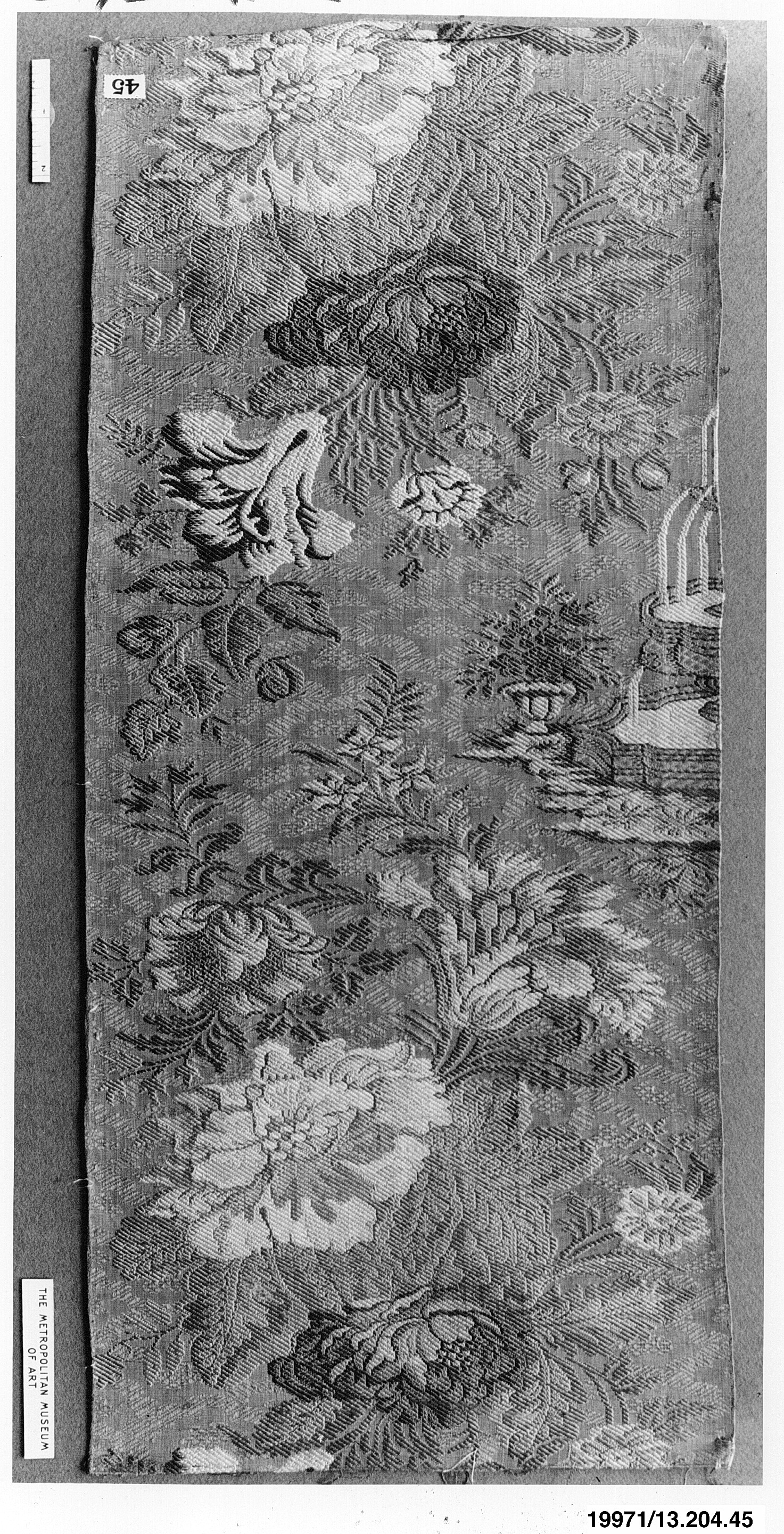
This heritage analysis examines a single silk artifact originating from an ancient civilization—specifically, a fragment of ceremonial silk from the Han Dynasty (206 BCE–220 CE), a period renowned for its pioneering silk weaving and profound cultural symbolism. As Lead Heritage Curator at Katherine Fashion Lab, I assess this piece through the lenses of symbolic power, historical adornment, spiritual meaning, and its strategic relevance for 2026 high-end luxury positioning. The analysis is structured as a standalone research document, intended to inform brand narrative and product development.
Symbolic Power: The Thread of Authority and Cosmic Order
In Han Dynasty cosmology, silk was not merely a textile but a conduit of cosmic authority. The piece under analysis—a rectangular panel woven with intricate patterns of dragons, phoenixes, and cloud scrolls—embodies the emperor’s mandate from Heaven. Dragons symbolized imperial power, control over natural forces, and the yang principle; phoenixes represented the empress, virtue, and yin harmony. The cloud motifs signified celestial blessings and the emperor’s role as mediator between earth and sky. This symbolic lexicon granted the wearer—typically a high-ranking official or noble—a visible claim to divine favor and governance. For Katherine Fashion Lab, this power narrative offers a blueprint for luxury branding: silk becomes a medium for asserting authority, exclusivity, and transcendence. In 2026, a collection inspired by this piece could leverage these symbols to position the brand as a custodian of timeless power, appealing to clients who seek garments that communicate status through historical gravitas.
Historical Adornment: Silk as a Marker of Status and Identity
Historical adornment in the Han Dynasty was deeply stratified. Silk production was a state-controlled monopoly, and sumptuary laws dictated who could wear specific colors, patterns, and weaves. The analyzed piece, dyed in forbidden red and gold—hues reserved for the imperial court—signaled the wearer’s proximity to the throne. Its weave, a complex warp-faced compound structure known as jin, required months of labor by skilled artisans, further elevating its value. This piece was not merely decorative; it was a wearable document of social hierarchy. For Katherine Fashion Lab, this underscores the importance of craftsmanship as a differentiator in luxury markets. By emphasizing the labor-intensive techniques—such as hand-weaving, natural dyeing, and pattern replication—the brand can create pieces that function as heirlooms, not just seasonal items. In 2026, clients will increasingly value provenance and process; thus, this historical adornment model supports a strategy of limited-edition, artisan-led collections that justify premium pricing through story and skill.
Spiritual Meaning: Silk as a Bridge Between Worlds
Spiritually, silk in Han China was imbued with protective and transcendent properties. The piece’s motifs—particularly the cloud patterns and stylized animal forms—were believed to guide the soul during rituals and after death. Archaeological evidence from tombs shows silk panels placed over the deceased to ensure safe passage to the afterlife. The silk itself, derived from silkworms that symbolized rebirth and transformation, was considered a material embodiment of the soul’s journey. This spiritual dimension offers Katherine Fashion Lab a profound narrative for modern luxury: garments as talismans, not just fashion. In 2026, as consumers seek meaning beyond materiality, a collection that integrates spiritual symbolism—through embroidery, color symbolism, or ritual-inspired silhouettes—can resonate with those who view luxury as a form of self-actualization and protection. The brand could collaborate with cultural historians to develop a “spiritual heritage” line, where each piece carries a specific blessing or intention, thereby creating an emotional bond with the wearer.
2026 High-End Luxury Strategy: Weaving Heritage into Modernity
For Katherine Fashion Lab, this ancient silk piece provides a strategic foundation for 2026 high-end luxury positioning. The analysis yields three actionable directives:
1. Narrative-Driven Exclusivity: The piece’s symbolic power and historical context allow the brand to craft a narrative of rarity and authority. Each garment can be tied to a specific dynasty, motif, or ritual, with provenance documented through digital certificates or blockchain. This taps into the luxury client’s desire for authenticity and storytelling, differentiating the brand from mass-market competitors.
2. Craftsmanship as Capital: The historical adornment model highlights the value of artisanal techniques. Katherine Fashion Lab should invest in partnerships with surviving silk workshops in China or Italy, reviving ancient weaving methods like jin or kesi (silk tapestry). In 2026, clients will pay a premium for pieces that preserve endangered crafts, and the brand can position itself as a patron of cultural preservation, enhancing its ethical luxury credentials.
3. Spiritual Resonance in Product Design: The spiritual meaning of silk offers a unique emotional hook. The 2026 collection could feature “blessed” pieces—garments infused with symbolic motifs for prosperity, protection, or harmony—marketed through immersive experiences (e.g., private viewings with a historian or meditation sessions). This aligns with the wellness and spirituality trends in luxury, where consumers seek products that enhance their inner lives.
Finally, pricing strategy should reflect this heritage: a single silk gown inspired by the Han piece could retail between $15,000 and $30,000, justified by its narrative, craft, and spiritual depth. Katherine Fashion Lab must ensure that every element—from packaging to marketing copy—echoes the piece’s ancient origins, creating a cohesive brand universe that feels both timeless and urgent for 2026.
Conclusion: The Silk Piece as a Strategic Asset
This heritage analysis confirms that the ancient silk piece is not a mere artifact but a strategic asset for Katherine Fashion Lab. Its symbolic power, historical adornment, and spiritual meaning provide a rich lexicon for luxury storytelling. By translating these elements into a 2026 strategy—emphasizing narrative exclusivity, artisanal capital, and spiritual resonance—the brand can capture the high-end market’s growing appetite for depth, authenticity, and craftsmanship. This piece, once a marker of Han Dynasty authority, can now become a beacon for Katherine Fashion Lab’s leadership in heritage-driven luxury.