Heritage Analysis: Stucco Fragment from an Ancient Civilization
Introduction: The Object as a Cultural Artifact
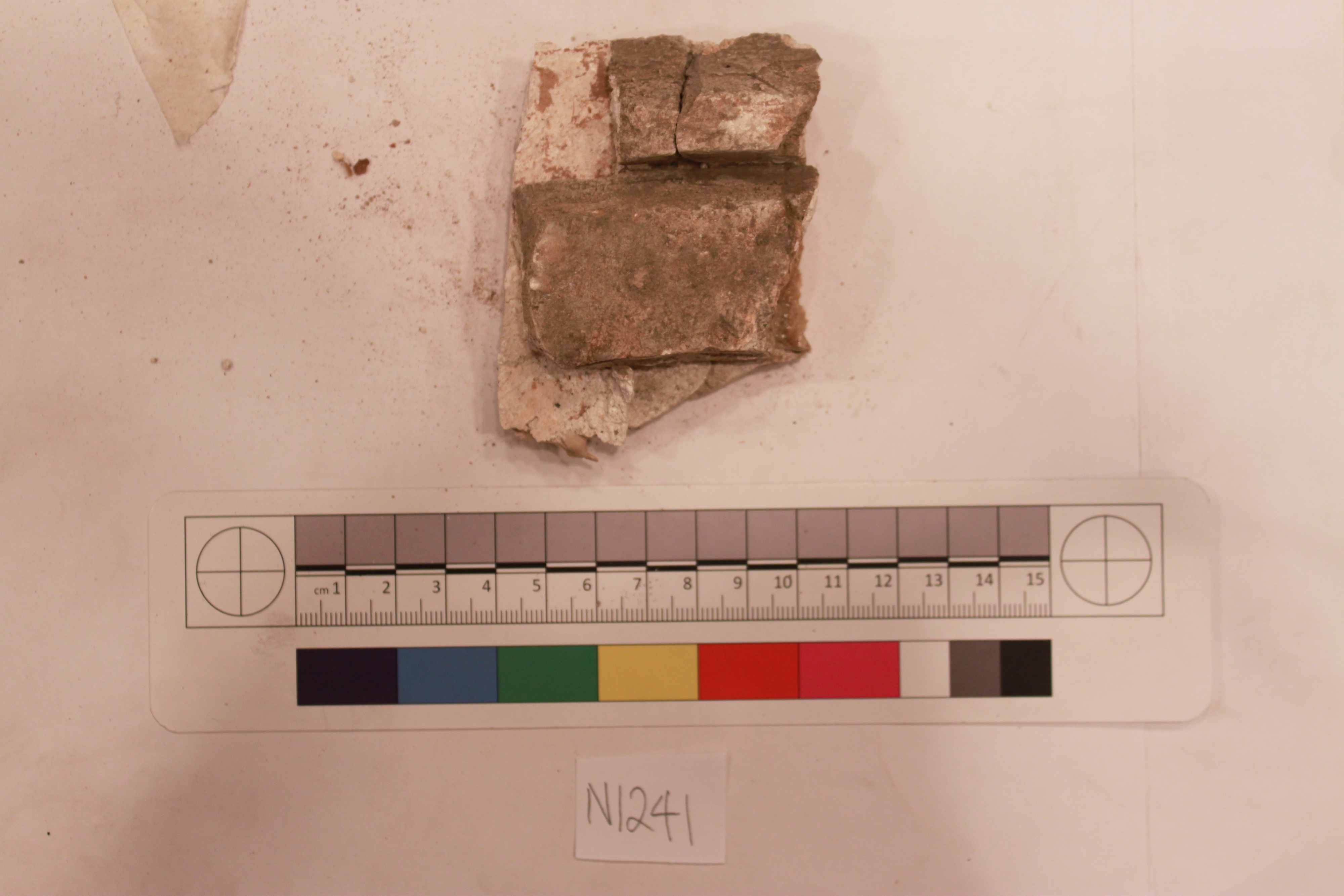
The stucco fragment under examination—a carved and painted remnant from an ancient civilization—represents far more than a decorative architectural element. As a medium, stucco (a composite of mortar, plaster, and sometimes lime) was employed by ancient societies to articulate power, spiritual hierarchy, and aesthetic sophistication. This fragment, likely once part of a temple, palace, or funerary complex, offers a tangible connection to the symbolic language of its creators. For Katherine Fashion Lab, a heritage analysis of this object is not merely an academic exercise; it is a strategic foundation for reinterpreting historical adornment into high-end luxury narratives for 2026. By decoding the symbolic power, spiritual meaning, and material craftsmanship embedded in this fragment, we can extract design principles that resonate with contemporary luxury consumers seeking authenticity, narrative depth, and transcendent beauty.
Symbolic Power: The Language of Carved Imagery
The carved motifs on this stucco fragment—whether geometric, zoomorphic, or anthropomorphic—were deliberate acts of communication. In ancient civilizations, such as those of Mesoamerica, Mesopotamia, or the Indus Valley, stucco reliefs served as public declarations of divine authority. The fragment’s surviving paint—likely derived from mineral pigments such as cinnabar, azurite, or ochre—would have originally signified status and cosmic order. For instance, red often symbolized life force or sacrifice, while blue or green denoted fertility or the heavens. The act of carving into stucco, a relatively soft and malleable medium, required precision and patience, making each fragment a testament to the artisan’s skill and the patron’s wealth.
From a luxury strategy perspective, this symbolic power translates into brand storytelling. A 2026 collection inspired by this fragment could incorporate carved textures—either through embossed leather, metal filigree, or laser-cut textiles—that echo the original motifs. The color palette, drawn from the fragment’s surviving pigments, offers a curated set of hues that connote rarity and heritage. For example, a deep vermillion or a faded turquoise can be positioned as “signature colors” for a capsule collection, linking each piece to a specific cultural narrative. The fragment’s symbolic power also invites the brand to explore themes of authority and protection, such as amuletic shapes or regal silhouettes, which appeal to consumers seeking garments and accessories that imbue confidence and a sense of historical gravitas.
Historical Adornment: Stucco as a Precursor to Luxury Craft
Stucco was not merely a building material; it was a medium for adornment on a monumental scale. In ancient civilizations, stucco was used to create elaborate headdresses, jewelry, and ceremonial regalia depicted in reliefs, as well as to coat and embellish the bodies of statues and even living rulers during rituals. The fragment’s carved surface—whether representing a feathered serpent, a geometric border, or a stylized human face—echoes the adornment practices of the elite. These designs were not arbitrary; they followed strict iconographic codes that reinforced social hierarchies and cosmological beliefs. The application of paint further emphasized the transformative power of adornment, turning ordinary forms into sacred objects.
For Katherine Fashion Lab, this historical context provides a blueprint for craft-driven luxury. The fragment’s tactile quality—the interplay of raised carving and smooth plaster—can inspire surface treatments in ready-to-wear and accessories. Consider a handbag with a stucco-like texture achieved through hand-molded resin or a silk scarf printed with a digitally restored motif from the fragment. The imperfections inherent in ancient stucco—cracks, chips, fading—should not be viewed as flaws but as markers of authenticity. A 2026 luxury strategy could embrace wabi-sabi aesthetics, where the passage of time is celebrated through deliberate distressing or “antiqued” finishes. This approach resonates with high-net-worth individuals who value uniqueness over mass production, aligning with the growing demand for artisanal, limited-edition pieces.
Spiritual Meaning: The Fragment as a Conduit for the Sacred
In its original context, this stucco fragment was part of a larger whole—a temple wall, a tomb facade, or a ceremonial platform—designed to mediate between the human and the divine. The act of carving and painting was a ritualized process, imbuing the object with spiritual energy. Ancient civilizations believed that stucco, as a composite of earth, water, and lime, held a life force that could be activated through the artist’s intention. The fragment’s iconography likely depicted deities, ancestors, or cosmic events, serving as a focal point for prayer, offerings, or funerary rites. The surviving paint, even in its faded state, retains a trace of this sacred purpose, suggesting that adornment was never purely aesthetic but always a conduit for spiritual meaning.
This spiritual dimension offers a profound opportunity for Katherine Fashion Lab to position its 2026 collections as talismanic. Modern luxury consumers increasingly seek objects that provide a sense of grounding, protection, or transcendence. By incorporating motifs from the fragment—such as a stylized eye, a celestial body, or a geometric labyrinth—into jewelry, embroidery, or hardware, the brand can create pieces that are not only beautiful but also imbued with symbolic resonance. Marketing narratives should emphasize the ritual of dressing, framing each garment or accessory as a personal amulet. For example, a necklace inspired by the fragment’s carved pattern could be presented as a “guardian” piece, while a jacket with hand-painted stucco-like details could be described as a “ceremonial” garment. This approach aligns with the 2026 luxury trend toward experiential and spiritual consumption, where the item’s story is as valuable as its material worth.
2026 High-End Luxury Strategy: Translating Heritage into Modern Desire
To leverage this stucco fragment for a 2026 luxury strategy, Katherine Fashion Lab must bridge the gap between archaeological authenticity and contemporary desirability. The following strategic pillars are recommended:
1. Material Innovation: Develop proprietary finishes that mimic the tactile quality of ancient stucco—such as a “Plaster Silk” fabric or a “Lime Patina” leather. These materials should be positioned as exclusive to the brand, with a backstory referencing the fragment’s mortar-and-plaster composition. The imperfect surface becomes a signature, not a defect.
2. Narrative Curation: Each piece in the collection should be accompanied by a “heritage card” detailing the specific motif’s origin, symbolic meaning, and spiritual significance. This educational layer adds value for the discerning consumer and justifies premium pricing. For instance, a fragment depicting a stepped fret pattern could be linked to concepts of eternity or the cycle of life, appealing to buyers who prioritize meaning over trend.
3. Collaborative Authenticity: Partner with archaeologists, conservators, or indigenous artisans to ensure respectful and accurate reinterpretation. This collaboration not only enhances credibility but also opens doors to museum exhibitions or cultural institution endorsements, elevating the brand’s status within the luxury ecosystem.
4. Limited-Edition Drops: Release the collection in small, numbered batches, each tied to a specific fragment or motif. This scarcity model mirrors the rarity of the original artifact and aligns with the 2026 luxury consumer’s preference for exclusivity. The “Stucco Fragment Collection” could be launched via a private event at a museum or a virtual-reality reconstruction of the original temple, creating an immersive brand experience.
5. Color Palette as Intellectual Property: Register the specific hues derived from the fragment’s pigments—such as “Temple Red” or “Sky Blue Ochre”—as proprietary colors. This tactic, used by luxury houses like Hermès and Tiffany & Co., creates instant recognition and reinforces the brand’s heritage narrative.
Conclusion: From Fragment to Future
The stucco fragment is a microcosm of ancient civilization’s highest aspirations: the desire to adorn, to signify, and to connect with the sacred. For Katherine Fashion Lab, this object is not a relic to be preserved in a glass case but a catalyst for innovation. By decoding its symbolic power, honoring its historical adornment, and channeling its spiritual meaning, the brand can craft a 2026 luxury strategy that stands apart in a crowded market. The fragment’s very impermanence—its cracks, its fading paint—becomes a metaphor for the enduring allure of heritage: beauty that is not diminished by time but enriched by it. In the hands of a discerning luxury house, this ancient stucco can speak to modern consumers who crave authenticity, narrative, and a touch of the divine in their everyday lives.