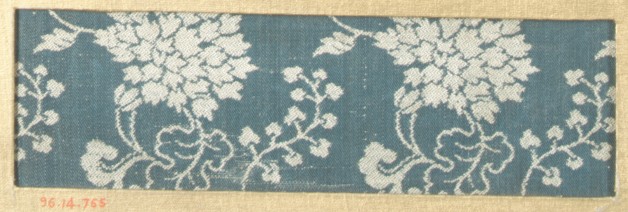
Heritage Analysis: The Silk Kimono as an Object of Symbolic Power and Strategic Luxury
This heritage analysis examines the Piece—a traditional Japanese silk kimono—as a subject of strategic standalone research for Katherine Fashion Lab. The kimono, beyond its aesthetic function, represents a confluence of symbolic power, historical adornment, and spiritual meaning. In the context of a 2026 high-end luxury strategy, this analysis deconstructs the kimono’s cultural DNA to propose actionable insights for brand positioning, product development, and narrative architecture within the luxury market.
Symbolic Power: The Kimono as a Social and Political Textile
The silk kimono has historically functioned as a visual language of status, identity, and authority in Japanese society. During the Heian period (794–1185), the layering of silk robes—known as junihitoe—was not merely decorative but a codified system of rank. The number of layers, the choice of colors, and the motifs woven into the silk communicated the wearer’s social position, clan affiliation, and even seasonal allegiance. For instance, the color combination of red over green signified autumn, while white over purple denoted winter mourning.
In the Edo period (1603–1868), sumptuary laws regulated silk consumption to reinforce class hierarchies. Only the samurai elite and wealthy merchants could wear silk of certain patterns, such as kamon (family crests) woven into the fabric. This symbolic power was not static; it evolved with political shifts. The Meiji Restoration (1868) dismantled these laws, but the kimono retained its status as a marker of cultural refinement and national identity, especially as Japan modernized. For luxury strategists, this historical layering of meaning suggests that a 2026 collection should not merely replicate silk textiles but embed a system of exclusive codes—perhaps through bespoke color palettes or hidden motifs—that signal insider knowledge and status to discerning clients.
Historical Adornment: The Art of Silk and the Evolution of Luxury Craft
The medium of silk itself is central to the kimono’s historical adornment. Japan’s indigenous sericulture, refined over centuries, produced Habutae (a plain-weave silk) and Nishijin-ori (a brocade woven in Kyoto’s Nishijin district). The latter, developed in the 15th century, remains a pinnacle of textile craftsmanship, requiring up to 30 separate steps to produce a single meter of fabric. The kimono’s construction—cut from a single bolt of cloth with minimal waste—reflects a philosophy of mottainai (respect for materials), where every scrap is repurposed into accessories or linings.
Historical adornment also involved seasonal symbolism. The tsujigahana technique (tie-dye and resist dyeing) from the Muromachi period (1336–1573) created intricate floral and bird motifs that aligned with the lunar calendar. For example, cherry blossoms (sakura) were worn in spring, while chrysanthemums (kiku) signified autumn. This cyclical adornment tied the wearer to nature’s rhythms, a concept that can be leveraged in a 2026 luxury strategy through limited-edition seasonal releases. By aligning product drops with specific cultural or natural events, Katherine Fashion Lab can create urgency and ritualistic consumption patterns that resonate with high-net-worth clients seeking meaningful acquisition.
Spiritual Meaning: The Kimono as a Vessel for Shinto and Buddhist Beliefs
The spiritual dimension of the silk kimono is deeply rooted in Shinto and Buddhist traditions. In Shinto, silk was considered a sacred material because it came from the silkworm, a creature associated with transformation and renewal. The kimono was often worn during rites of passage—birth, marriage, death—as a protective garment. The obi (sash) was tied in a specific knot, such as the taiko musubi (drum knot), which was believed to ward off evil spirits. White silk kimonos, known as shiro-muku, were worn by brides to symbolize purity and the wearer’s transition into a new spiritual state.
Buddhist influence introduced motifs like the hōsōge (a mythical flower) and shishi (lion-dog guardians), which were woven into silk to invoke protection and enlightenment. The act of wearing a kimono was thus a form of embodied meditation, where the weight and texture of the silk reminded the wearer of their connection to the divine. For a 2026 luxury strategy, this spiritual dimension can be translated into ritualistic product experiences. For instance, a bespoke silk garment could be paired with a ceremony—perhaps a private tea ritual or a guided meditation—that deepens the client’s emotional attachment to the piece. This transforms the purchase from a transaction into a spiritual investment, aligning with the growing luxury trend of conscious consumption and experiential ownership.
2026 High-End Luxury Strategy: Translating Heritage into Modern Power
To position the silk kimono as a cornerstone of a 2026 high-end luxury strategy, Katherine Fashion Lab must navigate the tension between preservation and innovation. The following strategic pillars emerge from this heritage analysis:
1. Symbolic Scarcity and Code-Based Exclusivity
Leverage the kimono’s historical role as a status marker by creating a limited-edition series where each piece bears a unique, invisible code—such as a micro-woven family crest or a UV-reactive motif—that only the owner can reveal. This mirrors the Heian-era layering system, where only the initiated could read the wearer’s rank. This exclusivity appeals to the 2026 luxury consumer’s desire for hidden knowledge and social capital.
2. Artisan Partnership and Material Storytelling
Collaborate with Nishijin-ori master weavers to produce bespoke silk textiles that incorporate traditional techniques like tsujigahana but with contemporary motifs (e.g., abstract interpretations of data streams or AI-generated patterns). This fusion of ancient craft and modern design creates a narrative bridge that justifies premium pricing. The 2026 luxury consumer values authenticity, and a direct partnership with Kyoto’s artisan families provides a provenance story that cannot be replicated by mass-market competitors.
3. Ritual-Based Marketing and Experiential Retail
Develop a “Silk Ritual” program where clients are invited to a private atelier to select their silk, observe the weaving process, and participate in a Shinto-inspired blessing ceremony. This transforms the purchase into a pilgrimage, aligning with the spiritual meaning of the kimono. The program can be tied to seasonal releases—for example, a spring collection launched during cherry blossom season—to create a sense of cosmic alignment. This strategy builds emotional loyalty and positions the brand as a steward of cultural heritage.
4. Digital-Physical Hybridization
Integrate blockchain-based provenance tracking for each silk piece, allowing clients to trace the silk’s journey from silkworm to garment. This satisfies the 2026 luxury consumer’s demand for transparency while adding a layer of digital ownership. Additionally, offer a virtual try-on experience using augmented reality, where clients can see how the kimono’s motifs change with the seasons—a nod to the historical seasonal symbolism. This hybrid approach bridges tradition and technology without diluting the piece’s spiritual integrity.
5. Price Positioning as Cultural Investment
Price the silk kimono at a minimum of $15,000 to $50,000, justified by the artisan hours (up to 500 hours per garment), the rarity of the silk (e.g., kinu from hand-reared silkworms), and the ritual experience. This positions the piece not as clothing but as an heirloom artifact—a wearable asset that appreciates in cultural value over time. The 2026 luxury market is increasingly oriented toward investment-grade fashion, where pieces are viewed as alternative assets alongside art and fine wine.
Conclusion
The silk kimono, as a subject of strategic standalone research, reveals a rich tapestry of symbolic power, historical adornment, and spiritual meaning. For Katherine Fashion Lab, the path to 2026 high-end luxury lies not in replicating the past but in recontextualizing its codes for a discerning clientele. By embedding exclusivity, ritual, and artisan integrity into the product and experience, the brand can transform a traditional garment into a contemporary power object. This analysis confirms that the kimono is not merely a piece of silk—it is a living heritage asset with the potential to define the next era of luxury consumption.