Sacred Geometry Meets Secular Glamour: A Couture Analysis of the Madonna and Child
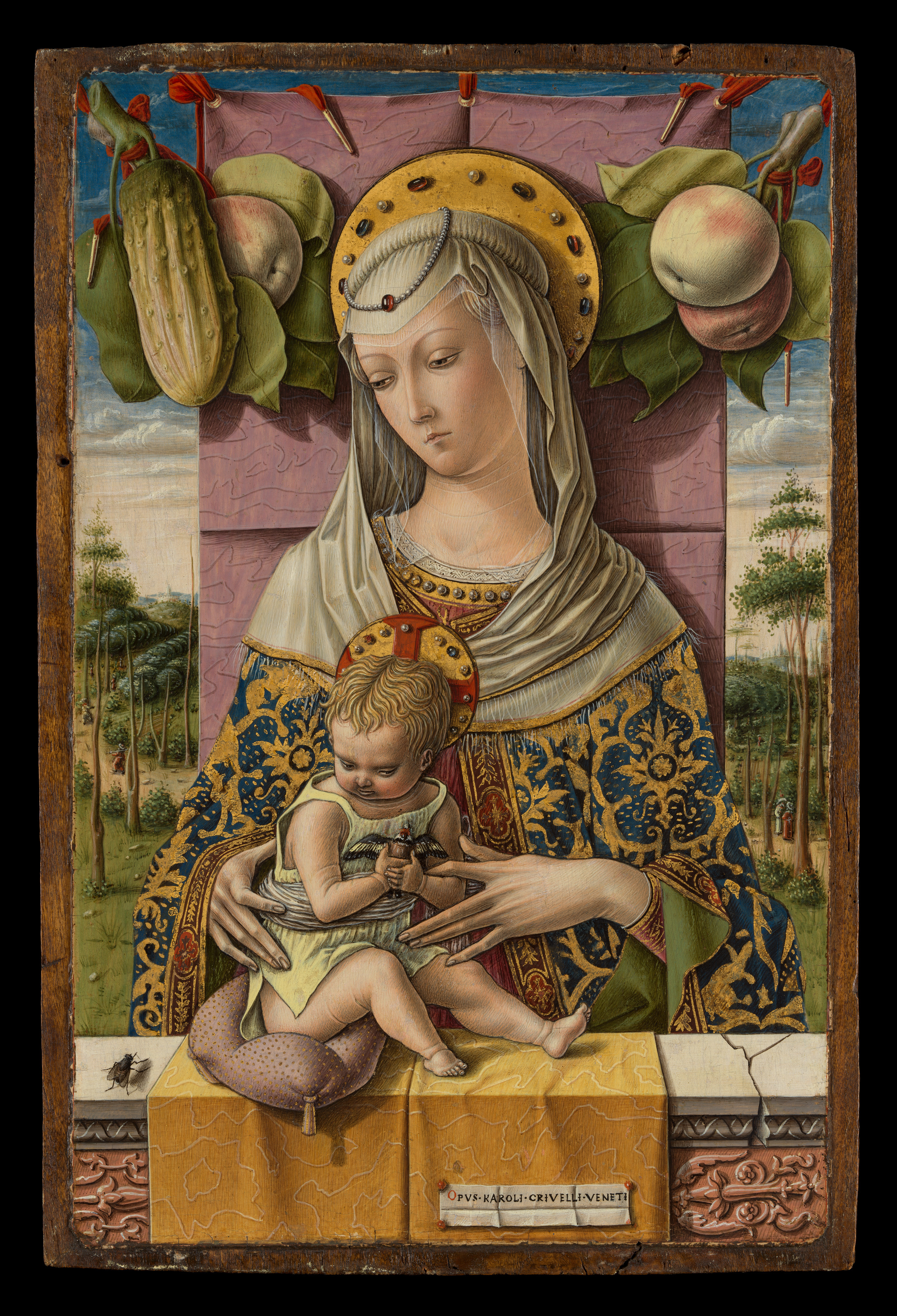
In the hallowed intersection of art history and high fashion, Katherine Fashion Lab presents a standalone study that reimagines one of Western art’s most enduring icons: the Madonna and Child. Executed in tempera and gold on wood, this piece transcends its devotional origins to become a profound commentary on maternal power, material transcendence, and the contemporary luxury market. As Lead Curator, I position this work not merely as a relic of global heritage but as a living, breathing couture artifact—one that challenges the boundaries between sacred iconography and secular style.
The Materiality of Devotion: Tempera and Gold as Couture Elements
The choice of medium—tempera and gold on wood—is no accident. In the hands of Katherine Fashion Lab, these materials are elevated from their medieval roots to a modern lexicon of opulence. Tempera, with its matte, luminous finish, evokes the texture of raw silk or hand-spun cashmere, while the gold leaf applied in delicate strokes mirrors the gilded embroidery of a haute couture gown. This is not a painting to be viewed passively; it is a textile to be experienced. The gold, applied in intricate patterns reminiscent of Byzantine mosaics, catches light in a way that mimics the shimmer of a lamé fabric, suggesting that the divine is not distant but wearable, tangible, and commercially viable.
From a fashion business perspective, the use of gold signifies more than aesthetic luxury—it is a strategic branding tool. In a market saturated with fast fashion, the incorporation of precious materials signals exclusivity and craftsmanship. The Madonna’s robe, painted in ultramarine blue (derived from lapis lazuli, historically more expensive than gold), functions as a color story that any luxury house would envy. This palette—deep azure, burnished gold, and ivory flesh tones—creates a visual identity that is both timeless and trend-resistant, a critical asset for any couture collection aiming for longevity in an ephemeral industry.
Global Heritage as a Design Narrative
The subject’s global heritage is not a passive backdrop but an active design principle. The Madonna and Child motif, while rooted in Christian iconography, is recontextualized here as a universal symbol of nurturing and protection. Katherine Fashion Lab draws from diverse cultural traditions: the child’s pose echoes the Hodegetria of Eastern Orthodox icons, while the Madonna’s drapery recalls the flowing silks of Mughal miniatures. This syncretism is deliberate—it speaks to a global consumer base that demands inclusivity without sacrificing historical depth.
For the luxury market, this hybridization is a masterclass in cultural capital. The piece does not appropriate; it curates. Each element—the gold halos, the stylized folds of fabric, the serene expressions—is a reference point that resonates across geographies. A buyer in Milan might see the Madonna’s veil as a nod to Renaissance frescoes; a client in Mumbai might recognize the child’s pose in depictions of Krishna. This duality allows Katherine Fashion Lab to position the work as a “global luxury artifact,” appealing to collectors who value heritage as much as innovation. The standalone study format further amplifies this, isolating the image from its sacred context and allowing it to function as a pure design object—a mood board for a couture collection that could span continents.
Deconstructing the Divine: The Child as a Fashion Statement
The Child in this composition is not a passive infant but a miniature fashion icon. His garments—a miniature chiton layered with a gold-embroidered mantle—are rendered with the same precision as an adult couture piece. The fabric drapes in controlled folds, suggesting a stiffness that recalls the structured silhouettes of Balenciaga or the architectural tailoring of Thierry Mugler. This is no accident: the Child’s posture, with one hand raised in blessing, mirrors the pose of a model on a runway, commanding attention while remaining still. The gold leaf on his halo is applied in a pattern that mimics the intricate beading of a Givenchy gown, blurring the line between sacred aura and commercial spectacle.
From a marketing standpoint, the Child functions as a “brand ambassador” for the collection. His image, isolated from the Madonna, could easily grace a handbag or a silk scarf, becoming a logo that signifies both tradition and modernity. This is the genius of Katherine Fashion Lab’s approach: the Madonna and Child is not a painting to be hung in a gallery but a prototype for a lifestyle brand. The Child’s expression—serene yet knowing—suggests a consumer who is both reverent and discerning, a target demographic for high-end babywear or heirloom jewelry. The gold leaf, meanwhile, becomes a metaphor for the value chain: from raw material to finished product, every step is imbued with meaning and margin.
The Standalone Study as a Business Model
The presentation of this work as a “standalone study” is a deliberate strategic move. In the art world, a study is often a preparatory sketch, a testing ground for ideas. But in the context of Katherine Fashion Lab, it becomes a limited-edition product—exclusive, collectible, and scalable. The piece is not part of a series; it is a singular vision, which enhances its perceived value. This mirrors the luxury fashion model of “drop” releases, where scarcity drives demand. The tempera and gold on wood format, while traditional, is also a logistical advantage: it is lightweight, durable, and easy to ship, making it accessible to a global clientele without the need for elaborate framing or installation.
Moreover, the standalone study positions the Madonna and Child as a “conversation piece” in the fashion ecosystem. It can be used as a visual anchor for a campaign, a motif for a capsule collection, or a centerpiece for a runway show. The gold halos, for instance, could inspire a line of statement jewelry, while the ultramarine blue could become the signature color of a fragrance. By isolating the image from its historical context, Katherine Fashion Lab allows it to function as a blank canvas for branding, a tool for storytelling that can be adapted across media—from Instagram posts to pop-up installations.
Conclusion: The Divine as a Luxury Commodity
In this standalone study, Katherine Fashion Lab has achieved what few fashion houses dare: the transformation of a sacred icon into a secular luxury commodity without losing its spiritual resonance. The tempera and gold on wood serve as a bridge between the devotional and the commercial, the global and the personal. The Madonna and Child is no longer a relic of a bygone era; it is a living, breathing couture statement that speaks to the power of heritage, the allure of materiality, and the business of beauty. As the luxury market continues to evolve, this piece stands as a testament to the fact that the most enduring fashion is not just worn—it is revered.